




















Top 5 Educational Science Apps for Kids and Adults
Explore the top 5 educational science apps perfect for kids and adults! Discover fun, interactive tools to boost science learning at home or on the go.
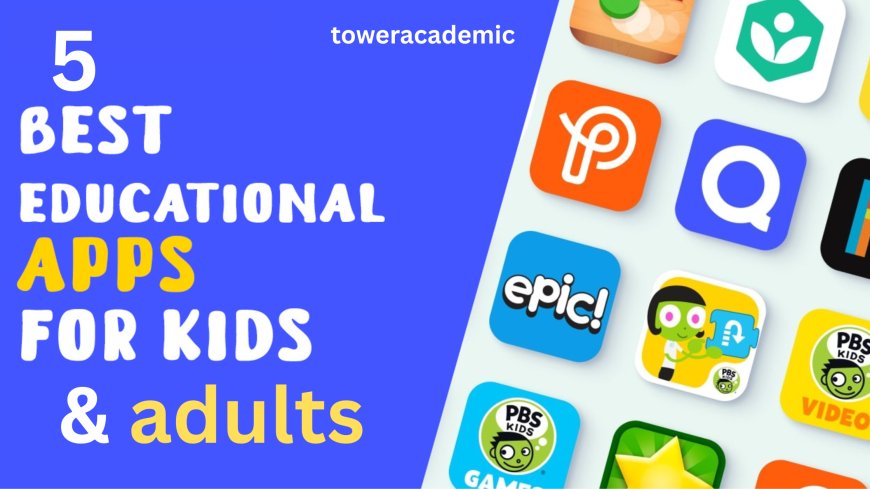
Educational science apps have emerged as vital tools for enhancing learning expe- riences for both children and adults, bridging the gap between traditional education and modern technology. These applications provide interactive and engaging ways to explore scientific concepts, making learning accessible and enjoyable. Notable examples include Khan Academy, Toca Lab: Elements, PhET Interactive Simulations, NASA Visualization Explorer, and BrainPOP, each offering unique features tailored to different age groups and learning styles. The growing popularity of these apps highlights their importance in fostering scientific literacy and encouraging curiosity in learners of all ages.[1][2][3].
The significance of educational science apps lies not only in their ability to present information in engaging formats but also in their alignment with educational goals. Developers often focus on features that promote user engagement, such as interac- tive quizzes and community-building elements, ensuring that users remain motivated and invested in their learning journey.[4][5] Additionally, customization options allow for a broader range of learning experiences, catering to the diverse needs of students, from elementary school children to adults seeking to expand their knowledge.[5].
Despite their many benefits, educational science apps face controversies regarding accessibility and the potential for distraction. Disparities in technology access among students can lead to unequal educational opportunities, raising concerns about inclusivity in learning environments.[6] Furthermore, while these apps aim to engage users, they can also provide avenues for distraction, emphasizing the need for responsible usage and effective integration within educational settings.[7][8].
In summary, the rise of educational science apps represents a transformative shift in how scientific knowledge is disseminated and engaged with, underscoring their importance in both formal and informal learning contexts. As technology continues to advance, these applications are expected to evolve further, offering innovative solutions for enhancing educational outcomes and fostering a lifelong love of science among users.[9][10].
Criteria for Selection
When evaluating educational science apps for inclusion in a curated list, several key criteria must be considered to ensure that the applications effectively meet diverse learning needs and enhance educational outcomes.
Learning Goals Alignment
A fundamental criterion is the alignment of the app's content with specific learning goals. Developers should clearly identify the educational objectives their app targets, ensuring these are suitable for the intended audience. The identification process should involve understanding the unique knowledge, skills, and beliefs of users, which is crucial for tailoring content effectively [1]. This alignment ensures that the
User Engagement Features
The ability of an app to engage users significantly impacts its effectiveness. Features such as interactive quizzes, animated lessons, and augmented reality experiences cater to various learning styles, enhancing comprehension and retention of complex subjects [2]. Additionally, integrating social features where users can discuss topics or engage in real-time challenges can foster a vibrant learning community, making the app not just a tool but an engaging platform for collaborative learning [2].
Customization and Flexibility
Customizability is another essential aspect, as it allows the app to cater to a broad spectrum of learners, from school students to professionals seeking to upskill.
Features like adjustable difficulty levels and multiple language options enhance accessibility and usability, ensuring that the app meets the diverse needs of its user base [2]. This adaptability is critical for retaining users and encouraging ongoing engagement with the educational material.
Progress Tracking and Feedback
An effective educational app should also incorporate progress tracking mechanisms, such as detailed charts and progress bars, that enable students to monitor their achievements over time [2]. This feature encourages self-assessment and goal setting, which are vital for fostering independent learning and motivation. Providing timely and meaningful feedback enhances the learning experience by allowing users to identify areas for improvement and celebrate their successes.
Community Building
Finally, the presence of discussion forums within the app can facilitate community learning by providing spaces for students to connect, collaborate, and share re- sources [2]. These forums should be moderated to maintain a respectful environment, promoting healthy academic discussions that enhance the overall educational expe- rience. By meeting these criteria, educational science apps can significantly impact learning outcomes and user engagement, making them valuable tools in both formal and informal educational contexts.
Top 5 Educational Science Apps
Educational science apps have become increasingly popular for both kids and adults, providing engaging and interactive learning experiences. Here are five of the top educational science apps that stand out for their features and effectiveness in promoting science education.
1. Khan Academy
Khan Academy is widely recognized for offering a vast array of free educational resources, including videos, practice exercises, and articles across various subjects such as science, math, and history.[3][4]. The app provides a personalized learning experience, allowing users to progress at their own pace. It includes interactive quizzes that reinforce learning and help track progress, making it suitable for learners of all ages[5].
2. Toca Lab: Elements
Toca Lab: Elements is designed specifically for younger audiences, introducing them to the basics of chemistry in a playful and interactive manner. With vibrant graphics and engaging activities, the app allows kids to experiment with different elements, fostering curiosity and understanding without the complexity of technical jargon[6]. This hands-on approach makes science accessible and enjoyable for elementary students.
3. PhET Interactive Simulations
Developed by the University of Colorado Boulder, PhET Interactive Simulations offers a comprehensive platform for exploring complex scientific concepts in an interactive format. Users can manipulate variables and observe real-time results, which promotes a deeper understanding of physics, chemistry, and biology[6][7]. This app is particularly beneficial for high school and college students who wish to delve into detailed scientific topics.
4. NASA Visualization Explorer
The NASA Visualization Explorer app provides a unique opportunity to learn about space science through stunning visuals and the latest updates on NASA missions. Users can explore a wealth of information, including images from space and insights into various scientific discoveries[6][8]. This app not only educates users about astronomy but also connects them with real-world applications of scientific research.
5. BrainPOP
BrainPOP is a well-established educational platform that offers animated videos and quizzes across multiple subjects, including science. The app is particularly engaging for younger audiences, featuring relatable characters and entertaining content that simplify complex topics. With its focus on interactive learning, BrainPOP helps foster a love for science among children[9][3].
These educational science apps effectively combine fun and learning, making them valuable tools for students and educators alike. Whether for casual learning or structured education, these apps cater to diverse learning needs and promote an understanding of scientific principles.
Comparison of the Apps
When comparing educational science apps, several factors such as usability, inter- activity, and educational value come into play. Here, we examine some of the leading science apps for both kids and adults.
Toca Lab: Elements
Toca Lab: Elements is an engaging app designed for younger audiences, presenting a colorful laboratory filled with various substances representing elements from the periodic table. Users can combine substances and observe reactions, promoting an understanding of chemical properties through experimentation. This open-ended exploration encourages creativity and curiosity, making it an ideal choice for fostering scientific interest in children[10].
Periodic Table of Elements
The Periodic Table of Elements app serves as a comprehensive resource for students of all ages. It offers an easy-to-navigate interface that provides essential information about each element, including atomic number and mass. The app's emphasis on user-friendly design ensures that learners can access vital information effortlessly, enhancing their educational experience[11].
Molecules
Molecules is an app tailored for users interested in visualizing molecular structures. It allows users to manipulate and zoom in on different molecules from various angles, which is beneficial for those studying chemistry or related fields. By providing a hands-on approach to molecular visualization, it enhances the understanding of complex concepts, making it a valuable educational tool for both students and professionals[11].
Buffers
The Buffers app caters specifically to laboratory settings, enabling users to design buffer solutions for pH control. This tool not only serves as a reference guide but also functions as a calculator, making it invaluable for students and professionals working in scientific research. Its practical applications make it essential for anyone looking to deepen their understanding of chemical solutions and their interactions[11].
Elements: A Visual Exploration
This app goes beyond standard periodic table applications by offering a visually engaging exploration of the elements. It inspires students with its aesthetic appeal while providing educational content. The visual representation of elements enhances retention and comprehension, aligning with the principles of effective learning for visual learners[12][11].
Integration in Education
Integrating technology in education, particularly through educational apps, has be- come a pivotal aspect of modern teaching methodologies. This integration is not merely about providing devices to students; rather, it involves enhancing the learning experience through diverse technological tools that engage students and cater to various learning styles. The use of educational apps allows educators to create interactive and personalized learning environments, promoting student engagement and academic growth[13][14].
Importance of Educational Apps
Educational apps play a crucial role in modern classrooms by making learning more accessible and tailored to individual student needs. These applications facilitate immediate feedback and personalized learning experiences, which can be particu- larly beneficial for students who may struggle with traditional teaching methods. For example, apps can adapt to students' learning paces and styles, ensuring that each child receives the support they require[15][14]. Moreover, educational apps often incorporate multimedia elements that capture students' attention and maintain their engagement during lessons, ultimately leading to improved educational outcomes[- 14].
Benefits of Integration
The integration of educational apps into classroom settings has several benefits, including enhanced engagement, personalized education, and increased accessi- bility to resources. By utilizing apps, teachers can create a more dynamic learning atmosphere that accommodates various learning styles. For instance, visual learners might thrive with graphic-rich content, while auditory learners can benefit from multi- media presentations and podcasts. Additionally, educational apps foster collaboration among students by enabling group projects and discussions, further enriching the learning experience[15][14].
Challenges of Integration
Despite the numerous advantages of educational apps, challenges remain in their effective integration. One significant hurdle is the varying levels of access to tech- nology among students, which can create disparities in learning opportunities[15]. Furthermore, teachers may require additional training to feel confident in using ed- ucational apps effectively. Providing ongoing professional development and support for educators is essential for ensuring that they can integrate these tools seamlessly into their teaching practices. Additionally, the potential for student distraction poses a challenge, as devices that access educational apps can also connect to social media and entertainment platforms[15][14].
Future Trends
As educational technology continues to evolve, the future of educational apps in classrooms appears promising. Ongoing advancements will likely lead to even more innovative applications that cater to diverse educational needs and foster interactive learning experiences. Embracing these trends will be crucial for educators seeking to prepare students for a digitally driven future while ensuring that technology is used as a tool for engagement and personalized learning[15].
References
[1] : 6 Assessing Learning Outcomes | Surrounded by Science: Learning Science ...
[2] : 65+ Education App Features: Core, Advanced, & Aditional - nimbleappgenie
[3] : 7 Top education apps of 2024 & their advantages - Formaloo
[4] : Top 10 Educational Apps for Adults | Insiderbits
[5] : 15 Top Education Apps of 2025 - Create & Learn
[6] : Top Educational Apps for Science Learning in 2025 - toxigon.com
[7] : Innovative Science Apps: A Complete Resource for Improved Education
[8] : Science Apps: The Best Tools for Learning and Exploring Science
[9] : Best Science Apps for Kids and Elementary Students
[10] : Popular Science Apps: 25 Picks to Boost Your Knowledge
[11] : 40 iPad Apps For Science By Category - TeachThought
[12] : Understanding and Accommodating Different Learning Styles: A Guide for ...
[13] : How to Integrate Technology in the Classroom - Drexel University
[14] : Using Technology to Accommodate Different Learning Styles in Modern ...
[15] : Enhancing Learning Outcomes: Using Educational Apps in the Classroom