
















Can the United States Really Take Back the Panama Canal?
Donald Trump claims the US should reclaim the Panama Canal, citing treaty violations and Chinese influence. Here’s what the law, history, and geopolitics actually say.
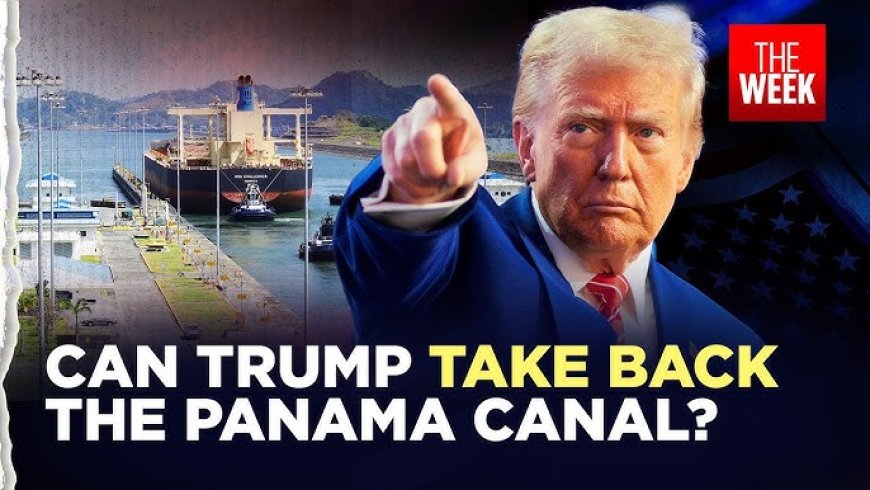
President Donald Trump has reignited one of the most sensitive geopolitical debates in the Western Hemisphere by declaring that the United States will reclaim the Panama Canal. More than two decades after Washington handed full control of the canal to Panama, Trump insists the transfer was a mistake and claims his administration has already begun the process of taking it back.
The statement has raised urgent questions. Can the United States legally reclaim the canal? What role does China play in Trump’s argument? And what risks does this strategy carry for US relations in Latin America?
A Canal Handed Over, Not Forgotten
The Panama Canal has been under Panamanian control since 1999, following treaties signed in 1977 under President Jimmy Carter. Those agreements ended nearly a century of American control over the Canal Zone, a move that was controversial at the time and remains so for some in US politics.
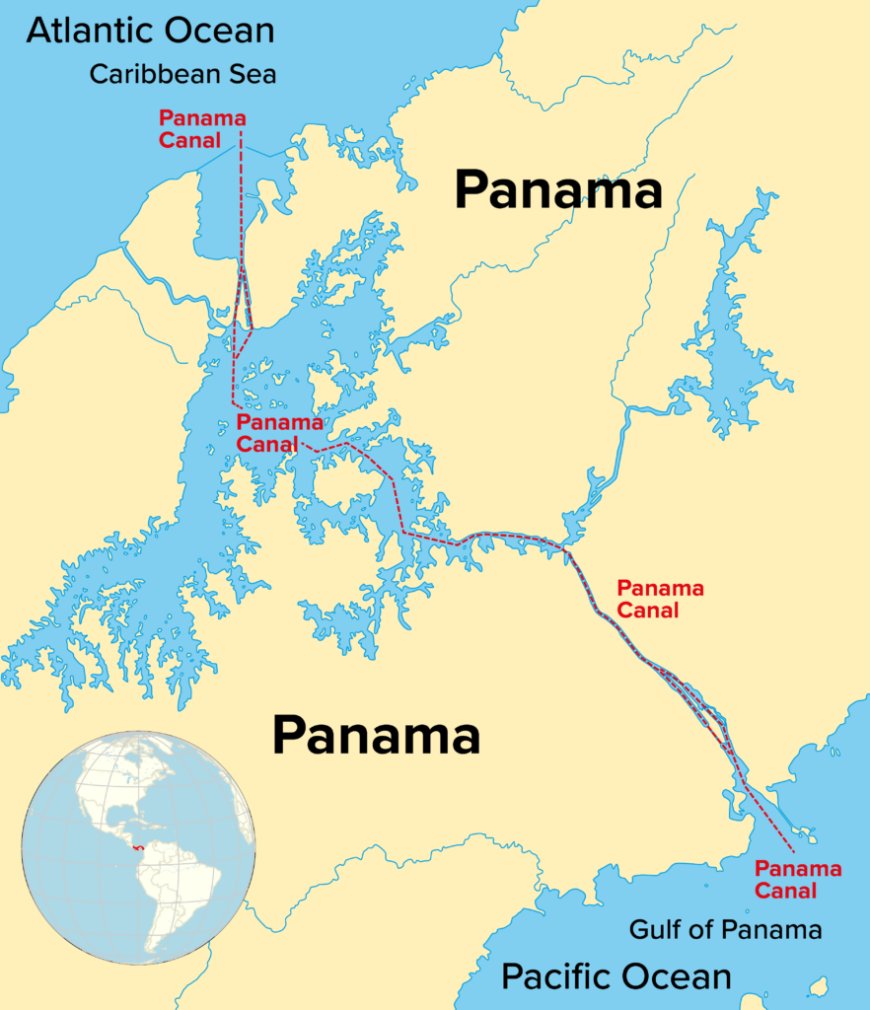
From 1904 to 1914, the United States funded and oversaw the construction of the canal, spending the equivalent of more than $11 billion in today’s terms. For decades afterward, Washington controlled the canal and surrounding territory. That presence, however, became a symbol of American dominance in Latin America and sparked growing resentment inside Panama.
The handover was driven in part by fears that operating the canal in an increasingly hostile political environment was unsustainable. While many saw the treaties as a step toward better regional relations, critics then and now view them as a strategic error.
Trump’s Claim of Treaty Violations
Trump’s argument rests on the Neutrality Treaty, which requires the canal to remain permanently neutral and prohibits Panama from giving preferential treatment to any country. Canal tolls, under the treaty, must be fair, reasonable, and equal for all users.
The president claims Panama has violated this agreement by allowing China to exert influence over canal operations. He has repeatedly alleged that the canal is being “run by China,” an accusation Panamanian authorities strongly deny.
Panama insists it maintains full control over the canal through the Panama Canal Authority and that no foreign government operates it.
China’s Presence and US Security Concerns
While China does not control the canal, Chinese companies have made significant investments in Panama’s infrastructure. Much of the concern centers on ports at both ends of the canal, which until recently were operated by Hong Kong-based CK Hutchison.
In early March, a consortium led by BlackRock agreed to buy a majority stake in those ports, placing them under American corporate ownership. The deal was welcomed by US officials as a step toward reducing perceived security risks.
Other Chinese-backed projects, including a bridge constructed over the canal, have also drawn scrutiny. Some experts argue that while such infrastructure cannot control the canal directly, it could theoretically be sabotaged or used for surveillance.
Former US Ambassador to Panama John Feeley has said that while China does not pose an immediate threat to canal operations, its global pattern of combining commercial expansion with intelligence gathering cannot be ignored. At the same time, he has criticized Trump’s confrontational approach, warning that aggressive rhetoric undermines cooperation.
China has rejected all accusations, stating it respects Panama’s sovereignty and the canal’s neutral status. Beijing has also accused the United States of hypocrisy, pointing to its own global surveillance activities.
Does the US Have a Legal Path?
Legal experts are clear on one point. Alleged treaty violations alone do not give the United States the right to reclaim the canal.
The 1977 treaties granted Panama full control and do not include provisions allowing Washington to reassert ownership unilaterally. At most, the treaties allow the US to defend the canal if Panama is unable or unwilling to protect its neutrality.
Some experts argue that the US could attempt to use a treaty violation to justify military intervention, but such a move would be highly controversial and legally disputed.
Trump has refused to rule out the use of force, though he has also played down the likelihood of deploying troops, saying he does not believe they will be necessary.
Diplomatic Pressure Before Force
So far, the US strategy appears focused on pressure rather than takeover. Following a visit by Secretary of State Marco Rubio, Panama launched an audit of Hutchison’s operations and announced it would not renew its participation in China’s Belt and Road Initiative.
Rubio praised the move as a positive step for US-Panama relations. The US has also encouraged greater American private sector involvement in Latin American infrastructure, arguing that Washington has failed to compete effectively with China in the region.
The BlackRock port deal fits into this approach, increasing American influence without changing sovereignty.
Buying the Canal?
Trump has also floated the idea of negotiating or purchasing control of the canal, framing it as a transaction between a willing buyer and seller. However, this option faces overwhelming resistance in Panama.
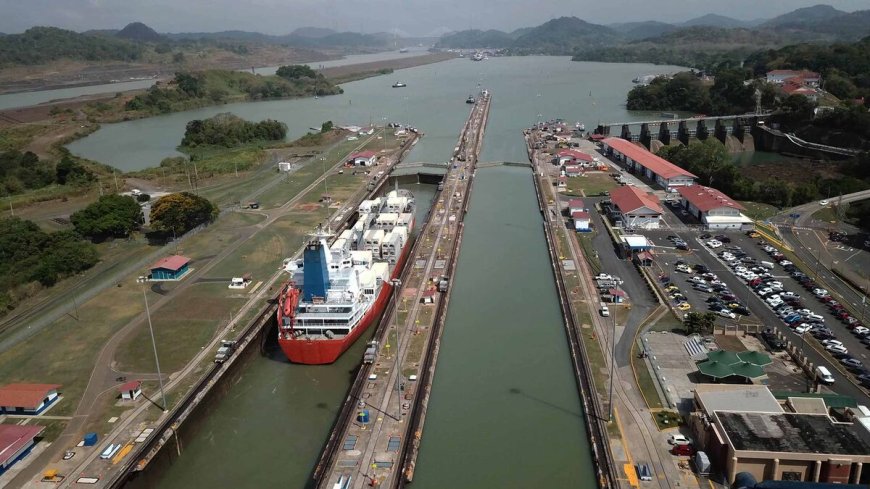
For Panamanians, the canal is a powerful symbol of national identity and independence. Public protests have made clear that selling or trading it back to the United States would be politically impossible.
Risks for US–Latin America Relations
While concerns about China’s expanding role in Latin America are widely shared, experts warn that heavy-handed tactics could backfire. Threats of intervention risk reviving memories of US imperialism and could push regional governments away rather than drawing them closer.
Trump’s approach has already unsettled partners across Latin America, even as some right-leaning governments quietly support stronger US involvement.
The broader fear is that aggressive action over the Panama Canal could undermine long-term cooperation and destabilize relations in a region where trust in US intentions remains fragile.
A High-Stakes Gamble
The Panama Canal remains one of the world’s most strategic waterways, vital to global trade and US commerce. Trump’s renewed focus on it reflects deeper anxieties about China, security, and American influence.
Yet reclaiming the canal outright appears legally, politically, and diplomatically unrealistic. What is far more likely is continued pressure on Panama to limit Chinese involvement while expanding US corporate and strategic influence.
How far the administration is willing to push that strategy may shape US relations in Latin America for years to come.