














Africas Position on the Equator Its Effects on Climate and Seasons
Discover how Africa’s position on the Equator influences its climate and seasons. Learn about equatorial temperatures, rainfall patterns, and the impact on agriculture and ecosystems.
Africa's position straddling the equator plays a crucial role in shaping the continent's climate, biodiversity, and socio-economic dynamics. As the only continent that spans all four hemispheres, Africa's geographical orientation contributes to a diverse array of climatic conditions, ranging from the tropical rainforests of Central Africa to the arid deserts of the north and south. This unique placement not only influences local ecosystems but also positions Africa as a vital player in global ecological interactions, making its climatic patterns significant for understanding broader environmental trends and challenges, including climate change impacts[1][2].
The equatorial region of Africa is characterized by a hot, humid climate with minimal seasonal temperature variation. Most equatorial areas experience two primary sea- sons—wet and dry—due to the consistent solar radiation throughout the year. Rainfall patterns are influenced by monsoon winds, resulting in significant differences across regions; for instance, while West and Central Africa may receive abundant rainfall year-round, parts of East Africa often face distinct dry seasons[3][4][5]. This climatic diversity fosters rich biodiversity, supporting numerous ecosystems and agricultural practices essential for local livelihoods[1][6].
Notably, Africa's equatorial climate is increasingly threatened by climate change, which has led to rising temperatures, altered rainfall patterns, and extreme weath- er events. These changes pose significant risks to agriculture, food security, and public health, particularly for vulnerable communities already facing socio-economic challenges[7][8][9]. The intersection of environmental and social factors complicates the region's adaptive capacity, as traditional agricultural practices may be disrupted, necessitating innovative strategies to mitigate adverse effects and enhance re- silience[10][11].
Amid these challenges, Africa's unique ecological and climatic context underscores the need for global attention to its environmental dynamics. The continent's rich biodi- versity, influenced by its equatorial position, serves as both a critical resource for local populations and a key component of global ecological health. Thus, understanding Africa's climatic effects, seasonal patterns, and the challenges posed by climate change is essential for developing effective strategies to protect its ecosystems and support sustainable development[12][13][9].
Geographical Context
Africa's unique geographical position is characterized by its span across all four hemi- spheres: Northern, Southern, Eastern, and Western. This unparalleled placement
Intersection of the Equator and Prime Meridian
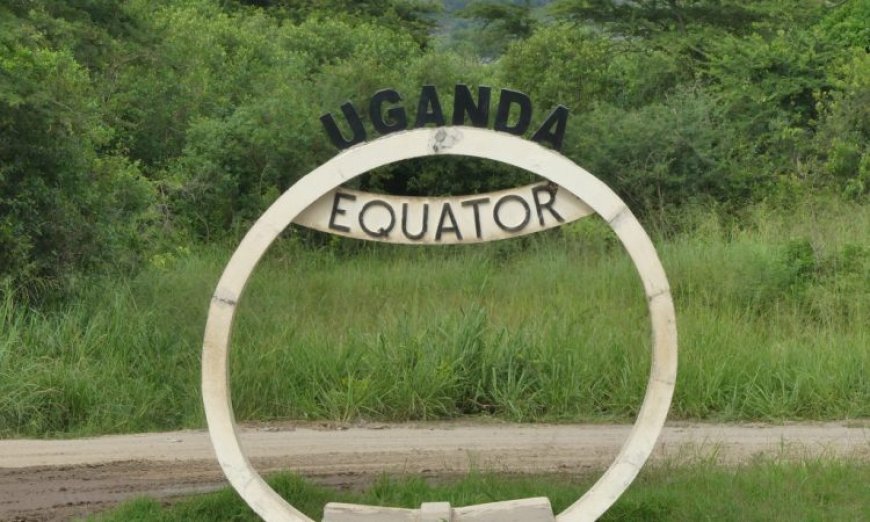
A defining feature of Africa's geography is the intersection of the Equator and the Prime Meridian. The Equator crosses through seven countries, including Kenya and Uganda, while the Prime Meridian intersects five nations, such as Ghana and Algeria. This intersection divides the continent into distinct geographical sections, which contribute to a diverse array of ecosystems and climates[1]. For instance, regions along the Equator typically experience a tropical wet-and-dry climate, characterized by a pronounced rainy season followed by a dry period, essential for supporting various agricultural practices[2].
Climatic Influences
The geographical layout of Africa allows for a rich tapestry of climatic conditions that vary widely across the continent. While the tropical savanna covers nearly half of Africa, there are notable local variations influenced by factors such as elevation, proximity to water bodies, and urbanization. Urban areas often exhibit microclimates that differ significantly from surrounding rural regions, typically experiencing higher temperatures and lower humidity[2]. The climatic diversity fosters a range of habitats, from tropical rainforests to arid deserts, contributing to Africa's rich biodiversity and varied agricultural practices[1][6].
Biodiversity and Cultural Impact
Africa's geographical uniqueness not only supports a vast array of plant and ani- mal species but also shapes its cultural identity. The continent's strategic location enhances its significance in trade routes and tourism, facilitating economic partner- ships and cultural exchanges that enrich its societies[1]. Furthermore, the diverse climatic zones contribute to varied agricultural practices, influencing food security and economic stability for millions of people across the continent[6]. This complex interplay of geography, climate, and culture underscores Africa's role as a crucial center for global ecological and economic systems.
Climatic Effects
Africa's position along the equator significantly influences its climate and seasonal patterns, leading to a range of climatic effects that vary across the continent. The equatorial regions, particularly in Western and Central Africa, experience a hot wet equatorial climate characterized by consistently high temperatures and abundant rainfall. Average temperatures in these areas hover around 27°C (80°F) with minimal seasonal variation, and annual rainfall often exceeds 2,000 mm, distributed relatively evenly throughout the year[3][4]. This constant warmth and humidity foster lush veg- etation, dominated by dense rainforests, and contribute to high biodiversity levels[5].
Rainfall Patterns
The rainfall distribution in equatorial Africa is heavily influenced by monsoon winds and seasonal changes. Equatorial West and Central Africa predominantly exhibit
Ecosystem Impacts
The effects of climate change are particularly pronounced in Africa's equatorial re- gions. Rising temperatures and altered precipitation patterns are threatening ecosys- tems and biodiversity. For example, the Amazon Rainforest has seen a reduction in its ability to act as a carbon sink due to deforestation and increasing temperatures, which can accelerate global warming[7]. In Africa, similar trends can be observed where climatic changes affect ecosystem services that communities depend on, thereby threatening economic stability and development[8].
Heat and Humidity
Tropical climates in Africa maintain high humidity levels, generally ranging from 60% to 90%, which, combined with warm temperatures, creates a high heat index that impacts human comfort and health[10]. Such climatic conditions are particularly prevalent in densely populated and economically vulnerable regions, exacerbating challenges related to agriculture, water availability, and human health due to in- creased susceptibility to heatwaves and flooding[7][10].
Seasonal Changes
Africa's position along the Equator significantly influences its climate and seasonal patterns, leading to distinct seasonal changes compared to regions farther from the Equator. The continent primarily experiences two main seasons: the wet season and the dry season, rather than the four distinct seasons observed in temperate regions. This is due to the minimal variation in sunlight intensity throughout the year, resulting from the Equatorial region's consistent exposure to solar radiation[15][16].
Equatorial Seasons
During the equinoxes in autumn and spring, the Sun crosses directly over the Equa- tor, causing a notable increase in sunlight intensity and temperature in equatorial regions. This consistent warmth contributes to a generally stable climate year-round, allowing for the recognition of only wet and dry seasons by equatorial cultures[- 15]. The wet season, characterized by prolonged rainfall, supports the growth of
Variability in Rainfall
Despite the general predictability of the wet and dry seasons, inter-annual variability in rainfall can be substantial. For instance, studies have shown that the long rainy season in equatorial Eastern Africa has exhibited a drying trend over the past few decades, influenced by climatic factors such as aerosols and ocean temperature patterns[16]. These changes are not purely natural and are believed to be exacer- bated by human-induced climate change. The phenomenon has led to an increase in drought frequency, further complicating agricultural practices in the region[7].
Impacts of Climate Change
Climate change poses significant challenges to Africa's equatorial regions, leading to longer heatwaves, increased intensity of rainfall, and more frequent flooding during wet seasons. These alterations threaten agriculture, biodiversity, and human health in areas already facing economic vulnerabilities[7]. Additionally, the unpredictability of the seasons can disrupt traditional farming practices and shift agricultural zones, particularly in temperate areas influenced by Africa's climatic dynamics[7]. The on- going changes underscore the need for adaptive strategies to mitigate the impacts of climate variability on local communities and ecosystems.
Ecological Impact
The equatorial region of Africa is characterized by rich biodiversity and complex ecosystems, which are significantly influenced by climatic conditions. These ecosys- tems provide crucial resources for local populations while also playing a vital role in global environmental health. The tropical forests of the Congo Basin, for example, serve as essential carbon sinks and are critical for maintaining biodiversity, support- ing both human livelihoods and ecological stability[12][13].
Biodiversity and Ecosystem Services
Tropical forests in Africa support a wide array of species and provide multiple ecosystem services. They are a source of raw materials, food, and other natural products essential for local communities[13]. The preservation of these ecosystems is paramount, as highlighted by experts like Professor Imani Kenyatta, who emphasizes the necessity of protecting Africa's equatorial biodiversity for the planet's future[17]. Furthermore, the forests offer resilience against climate variability, helping to mitigate extreme weather impacts on both humans and wildlife.
Agricultural Practices and Food Security
Agroecological practices, such as crop diversification, intercropping, and the integra- tion of legumes, enhance food security and improve health outcomes for communities in the region[9]. These methods not only increase crop productivity and resilience but also reduce vulnerability to climate-related shocks. For instance, in Tanzania, diverse crop portfolios have been linked to improved dietary quality, while in Kenya, higher levels of crop diversity in drought-affected areas contribute to more stable food supplies[9].
Challenges and Adaptation Strategies
Despite the benefits, the equatorial regions face significant ecological challenges, in- cluding habitat loss, species extinction, and increased poverty due to climate change and human activities such as deforestation and agriculture expansion[9][13]. Farmers are increasingly turning to off-farm activities as a means to cope with extreme climate variability; however, such adaptations can sometimes lead to maladaptive outcomes, such as increased charcoal production, which exacerbates deforestation[9].
Ecosystem-based adaptation strategies are being employed to enhance resilience against climate impacts, promoting the restoration of mangrove and wetland ecosys- tems across Africa[9]. These initiatives not only support ecological health but also provide social and economic co-benefits, contributing to long-term sustainability efforts in the region[12].
Socioeconomic Considerations
Vulnerability and Climate Change
Vulnerability and exposure to the impacts of climate change in Africa are deeply intertwined with various socioeconomic processes, which collectively shape risk levels across different communities. Factors such as resource access, livelihood changes, and intersectional vulnerabilities among social groups significantly influ- ence how different populations experience climate change impacts (Lwasa et al., 2018; UNCTAD, 2020). These socioeconomic processes include broader trends in social and economic governance, such as investments in large energy and trans- portation projects, rising external debt, and evolving roles of the state in social development and environmental management (Adeniran and Daniell, 2020; Wunsch, 2014; Ramutsindela and Büscher, 2019).
Health Impacts
The social determinants of health, defined as the conditions in which people are born, grow, live, work, and age, also play a critical role in shaping health outcomes related to climate change (Commission of Social Determinants of Health, 2008). Climate change exacerbates existing health disparities, particularly affecting vulnerable pop- ulations including young children, the elderly, and those living in poverty (Hendrix, 2017; Alonso et al., 2019). Moreover, women may face heightened vulnerability due to their specific socio-economic roles and responsibilities (Chersich et al., 2018).
Agriculture and Food Security
Agriculture, a vital sector for many African economies, is increasingly threatened by climate variability. Farmers report experiencing various climate-related challenges such as droughts, irregular precipitation, and increased pest and disease pressures, which they attribute to climate change (Rankoana, 2016a; Ayanlade and Jegede, 2016). The impact of these threats on crop production could lead to significant yield losses, further endangering food security (Savary et al., 2019). While agroecological practices like intercropping and mulching are linked to improved food security and health outcomes, their adoption is influenced by non-climatic factors such as access to resources, education, and gender dynamics (Makate et al., 2019).
Urbanization and Livelihood Diversification
The ongoing de-agrarianization is contributing to urbanization, which has complex effects on inequality both within and between African countries (Stringer et al., 2020). As rural livelihoods diversify and include informal sector activities, the intersectionality of various social identities—such as gender, ethnicity, and class—affects access to resources and resilience against climate impacts (Luo et al., 2019). This diversifica- tion is essential as it helps mitigate some of the adverse effects of climate change on rural communities, promoting a more sustainable economic foundation amidst increasing environmental challenges (Jayne et al., 2019b).
Climate Change Effects
Climate change poses significant challenges to ecosystems, biodiversity, and human populations across Africa, particularly in regions positioned along the equator. The impacts of rising temperatures and altered precipitation patterns are already evident, with effects that reverberate through economies and threaten food security and water availability[8][9].
Ecosystem Disruption
As temperatures rise at twice the global rate in many parts of North Africa, the repercussions for local ecosystems become increasingly severe. Changes in climate are projected to disrupt species composition, potentially leading to the die-back
Species Vulnerability
The vulnerability of ecosystems to both natural and human-induced disturbances may increase if plant species fail to adapt to climate change. This situation could lead
 to reductions in species diversity, further destabilizing already stressed ecosystems- [8]. A review highlights the potential for climate-induced changes to disrupt progress in socio-economic development in regions like East Africa, as vulnerable ecosystems threaten community reliance on ecosystem services[8][9].
Extreme Weather Events
 Projected climate dynamics indicate an increase in the frequency and intensity of extreme weather events, including hurricanes and tropical storms, which can inun- date coastal regions and cause droughts in interior areas[8][11]. These phenomena threaten food security by diminishing agricultural productivity, which in turn may lead to widespread human migration in search of better resources[8][11].
Health Implications
The health risks associated with climate change are particularly pronounced in equatorial regions, where excessive heat and humidity create conditions conducive to the spread of vector-borne diseases, such as malaria and dengue fever[18][19]. As climate conditions become increasingly favorable for bacteria and pests, public health outcomes may worsen, particularly among vulnerable populations[18].
Adaptation Strategies
Ecosystem-based adaptation offers a viable approach to mitigating climate risks while providing social, economic, and environmental benefits[11]. Strategies such as ecosystem protection, conservation agriculture, and integrated land management can enhance climate resilience in Africa, potentially costing less than traditional infrastructure solutions[11][20]. The necessity for adaptive measures is underscored by the increasing exposure of populations to extreme heat events and shifting climate patterns[9][20].
References
[1] : Africa Is the Only Continent With Land in All Four Hemispheres
[2] : Africa - Climate, Regions, Variations | Britannica
[3] : 9.1 Africa’s Geography and Climate - OpenStax
[4] : Climate of Western and Central Equatorial Africa - ScienceGate
[5] : Exploring the African Hot Wet Equatorial Region - African Life
[6] : The Weather and Climate in Africa - TripSavvy
[7] : Equatorial Climate - Geo for CXC
[8] : How Does Latitude Affect Climate? Earth’s Climate Explained
[9] : Climate Change Impacts on East Africa - Casade [10]: 6 Types of Climate (Zones, Regions, Countries)
[11] : Do Places Near The Equator Have Seasons? - WorldAtlas
[12] : Climate change in Africa - Wikipedia
[13] : Land-cover change threatens tropical forests and biodiversity in the ...
|
The equatorial rainforest of Central Africa between economic needs and sustain- ability requirements
[15] : Exploring African Countries Near the Equator - African Life
[16] : Chapter 9: Africa | Climate Change 2022: Impacts, Adaptation and ... - IPCC
[17] : The coherent variability of African river flows : composite climate ...
[18] : Equatorial Climate Region, Distribution, Climatic Conditions & Map
[19] : Characteristics of Equatorial climate and areas that experience it
: Cross-Chapter Paper 5: Mountains | Climate Change 2022: Impacts ... - IP