















East Africa vs. West Africa: A Geographical and Cultural Comparison.
Explore the key differences between East Africa and West Africa, from geography and climate to culture, history, and economic influences. Discover what makes each region unique.

Introduction
Africa is a continent renowned for its incredible diversity in geography, culture, and history. Among its five regions, East Africa and West Africa are often compared due to their stark differences and unique identities. Understanding these distinctions allows for a deeper appreciation of Africa's complexity, while also highlighting opportunities for collaboration and growth across the continent.
East Africa and West Africa are home to vibrant communities, rich traditions, and breathtaking landscapes. This article delves into the geographical, historical, cultural, and socio-economic contrasts between these regions, providing a comprehensive comparison that celebrates their individuality.
Countries of East Africa and West Africa respectively.
Here’s a list of countries commonly considered part of East Africa and West Africa based on regional classification.

East Africa
1. Burundi
2. Comoros
3. Djibouti
4. Eritrea
5. Ethiopia
6. Kenya
7. Madagascar
8. Malawi
9. Mauritius
10. Mozambique
11. Rwanda
12. Seychelles
13. Somalia
14. South Sudan
15. Sudan
16. Tanzania
17. Uganda
18. Zambia
19. Zimbabwe
West Africa
1. Benin
2. Burkina Faso
3. Cape Verde (Cabo Verde)
4. Côte d'Ivoire (Ivory Coast)
5. The Gambia
6. Ghana
7. Guinea
8. Guinea-Bissau
9. Liberia
10. Mali
11. Mauritania
12. Niger
13. Nigeria
14. Senegal
15. Sierra Leone
16. Togo
These classifications are often used by international organizations and regional bodies such as the East African Community (EAC) and the Economic Community of West African States (ECOWAS). Some countries may overlap between regions based on geography or political alignment.
Major Capital Cities in East Africa
1. Nairobi – Kenya
A bustling metropolis known for its proximity to wildlife reserves and a strong commercial and cultural hub.
2. Addis Ababa – Ethiopia
The political capital of Ethiopia and the headquarters of the African Union, a key diplomatic and cultural center.
3. Kigali – Rwanda
Known for its cleanliness, safety, and as a growing hub for business and tourism in the region.
4. Dar es Salaam – Tanzania
The largest city and a major economic and cultural center, although Dodoma is the official capital.
5. Khartoum – Sudan
Located at the confluence of the Blue Nile and White Nile, it is Sudan's political and economic heart.
6. Kampala – Uganda.
The largest city in Uganda and its political, economic, and cultural center.
7. Bujumbura – Burundi (Note: Gitega is now the political capital, but Bujumbura remains the economic capital)
Known for its proximity to Lake Tanganyika and vibrant marketplaces.
8. Mogadishu – Somalia
The largest city and the economic and cultural center of Somalia, rich in history and trade.
9. Juba – South Sudan
The capital city of South Sudan, a relatively new country with developing infrastructure.
10. Victoria – Seychelles
The smallest capital city in the world, located on the island of Mahé, known for its beautiful beaches.
Major Capital Cities in West Africa
1. Abuja – Nigeria
The political capital of Nigeria, known for its modern architecture and as the seat of government.
2. Accra – Ghana
Ghana's largest city and its political and economic center, known for its vibrant arts scene.
3. Dakar – Senegal
The cultural capital of Senegal, known for its music, arts, and history, and located on the Atlantic coast.
4. Abidjan – Côte d'Ivoire (Ivory Coast)
An economic powerhouse in West Africa, although Yamoussoukro is the political capital.
5. Bamako – Mali
The largest city and capital, known for its music, culture, and its role as an economic center.
6. Ouagadougou – Burkina Faso
Known for its vibrant film industry and as the cultural and administrative capital of Burkina Faso.
7. Lomé – Togo
A port city and the capital of Togo, known for its markets, beaches, and French colonial architecture.
8. Conakry – Guinea
The capital and largest city, with a rich history and a central hub for economic and political activities.
9. Monrovia – Liberia
The capital city and main commercial hub, known for its historical landmarks and coastal beauty.
10. Porto-Novo – Benin
The official capital, although Cotonou serves as the economic and commercial center.
These capital cities are major political, economic, and cultural hubs in their respective regions, playing significant roles in shaping the identity and growth of East and West Africa.

Geographical Features
Climate Variations
East Africa boasts diverse climatic zones, ranging from arid deserts in Somalia to temperate highlands in Ethiopia and tropical rainforests in Uganda. In contrast, West Africa is predominantly tropical, characterized by humid rainforests in countries like Ghana and Ivory Coast and savannahs in Nigeria and Senegal.
Topography and Landscapes
East Africa is marked by dramatic landscapes, including the Great Rift Valley, Mount Kilimanjaro, and Lake Victoria, the largest lake in Africa. West Africa, on the other hand, features a more subdued topography with rolling hills, extensive river systems like the Niger, and vast coastal plains.
Key Natural Resources
East Africa is known for its rich deposits of gold, gemstones, and significant agricultural output, particularly coffee and tea. West Africa, however, is a powerhouse for oil, cocoa, and other minerals like bauxite and gold, contributing significantly to its economies.
Major Lakes and Rivers in East Africa
Lakes in East Africa:
1. Lake Victoria
o Countries: Kenya, Uganda, Tanzania
o Description: The largest lake in Africa and the second-largest freshwater lake in the world. It is vital for transport, fishing, and agriculture in the region.
2. Lake Tanganyika
o Countries: Tanzania, Democratic Republic of Congo, Burundi, Rwanda
o Description: The second-deepest lake in the world, it is rich in biodiversity and a critical source of water and transportation.
3. Lake Nyasa (Lake Malawi)
o Countries: Malawi, Mozambique, Tanzania
o Description: The third-largest lake in Africa, known for its clear waters and unique fish species. It is an important resource for fishing and agriculture.
4. Lake Albert
o Countries: Uganda, Democratic Republic of Congo
o Description: Situated on the border of Uganda and the DRC, it is part of the East African Rift system and supports local fishing communities.
5. Lake Turkana
o Countries: Kenya
o Description: The largest desert lake in the world, located in northern Kenya, it is an important source of water for the region.
6. Lake Edward
o Countries: Uganda, Democratic Republic of Congo
o Description: Situated on the western arm of the Great Rift Valley, this lake is home to diverse wildlife and is important for local fishing communities.
7. Lake Kivu
o Countries: Rwanda, Democratic Republic of Congo
o Description: A deep, picturesque lake with a significant role in the region’s economy and tourism, it is also known for its methane gas reserves.
8. Lake Tana
o Countries: Ethiopia
o Description: The largest lake in Ethiopia, located in the Ethiopian highlands, it is the main reservoir for the Blue Nile River.
9. Lake Turkana
o Countries: Kenya
o Description: A large desert lake that is key to the livelihood of the communities in northern Kenya.
10. Lake Victoria
o Countries: Kenya, Uganda, Tanzania
o Description: The largest lake in Africa, serving as a major freshwater source for millions of people in the region.
Rivers in East Africa:
1. The Nile River
o Countries: Uganda, Sudan, Egypt, Ethiopia
o Description: The longest river in the world, with two main tributaries—the White Nile and the Blue Nile—flowing through several East African countries.
2. The Limpopo River
o Countries: Mozambique, Zimbabwe, South Africa
o Description: This river flows into the Indian Ocean and is an important water source for southern East Africa.
3. The Tana River
o Countries: Kenya
o Description: The longest river in Kenya, it provides water for hydroelectric power, agriculture, and local populations.
4. The Zambezi River
o Countries: Zambia, Zimbabwe, Mozambique
o Description: Known for the famous Victoria Falls, it is one of the longest rivers in Africa, flowing to the Indian Ocean.
5. The Rufiji River
o Countries: Tanzania
o Description: A vital river in Tanzania, which empties into the Indian Ocean, supporting local agriculture and hydroelectricity.
6. The Awash River
o Countries: Ethiopia
o Description: A major river in Ethiopia, providing water for the fertile Awash Valley and contributing to the region's agriculture.
7. The Omo River
o Countries: Ethiopia, Kenya
o Description: This river flows through Ethiopia and into Lake Turkana in Kenya, supporting diverse communities and wildlife.
8. The Juba and Shabelle Rivers
o Countries: Somalia, Ethiopia
o Description: These rivers are critical water sources for southern Somalia and northeastern Ethiopia, sustaining agriculture and local populations.
9. The Ruvuma River
o Countries: Tanzania, Mozambique
o Description: Forming part of the border between Tanzania and Mozambique, the Ruvuma River is crucial for both nations' agriculture.
10. The Malagarasi River
o Countries: Tanzania, Burundi
o Description: The Malagarasi River is one of the longest in Tanzania, feeding Lake Tanganyika and supporting local wildlife.
Major Lakes and Rivers in West Africa
Lakes in West Africa:
1. Lake Volta
o Country: Ghana
o Description: One of the largest artificial lakes in the world, created by the Akosombo Dam, it provides hydroelectric power and irrigation.
2. Lake Chad
o Countries: Chad, Nigeria, Cameroon, Niger
o Description: A large lake that is shared by four countries, but it has been shrinking due to climate change and human activity.
3. Lake Bosumtwi
o Country: Ghana
o Description: The only natural lake in Ghana, located in a crater formed by a meteorite impact, it is a sacred site for local communities.
4. Lake Togo
o Country: Togo
o Description: A coastal lake located near the capital Lomé, used for fishing and tourism.
5. Lake Kainji
o Country: Nigeria
o Description: An artificial lake created by the Kainji Dam on the Niger River, providing hydroelectric power and supporting local fisheries.
6. Lake Ounianga
o Country: Chad
o Description: A series of lakes located in the Sahara Desert, important for local water supply and unique for their existence in such an arid region.
7. Lake Nokoué
o Country: Benin
o Description: Located near Cotonou, it is a key water source for the region.
8. Lake Tanganyika
o Countries: Guinea, Sierra Leone
o Description: Although mainly located in the Central African region, portions of its water basin extend into West Africa.
9. Lake Mono
o Country: Togo
o Description: A freshwater lake that serves as a vital resource for local agriculture and fishing.
10. Lake Kivu
o Countries: Guinea, Sierra Leone
o Description: Another lake located in the Sahel region, serving local communities in West Africa.
Rivers in West Africa:
1. The Niger River
o Countries: Nigeria, Niger, Mali, Benin, Guinea
o Description: The third-longest river in Africa, it is crucial for the economies and agriculture of many West African countries.
2. The Senegal River
o Countries: Senegal, Mauritania
o Description: A major river in West Africa that forms part of the border between Senegal and Mauritania, used for irrigation and transport.
3. The Gambia River
o Country: The Gambia
o Description: The Gambia River flows through the narrow Gambia region and is vital for the country's economy and transportation.
4. The Volta River
o Country: Ghana
o Description: One of the major rivers in West Africa, it is essential for agriculture, water supply, and hydroelectric power.
5. The Benue River
o Countries: Nigeria, Cameroon
o Description: A significant tributary of the Niger River, supporting agriculture and providing water for local communities.
6. The Comoé River
o Countries: Côte d'Ivoire, Burkina Faso
o Description: It flows into the Gulf of Guinea and is a key water source for agriculture in the region.
7. The Black Volta River
o Countries: Ghana, Burkina Faso
o Description: A tributary of the Volta River, it provides water and supports local farming activities.
8. The Mouhoun River
o Country: Burkina Faso
o Description: Also known as the Black Volta, it is crucial for irrigation and transportation in Burkina Faso.
9. The Bandama River
o Country: Côte d'Ivoire
o Description: A major river that provides water for agriculture, transport, and other economic activities in Côte d'Ivoire.
10. The Sassandra River
o Country: Côte d'Ivoire
o Description: Located in western Côte d'Ivoire, this river supports local agriculture and transportation.
These lakes and rivers play vital roles in the ecosystems and economies of East and West Africa, providing water for millions, supporting agriculture, hydroelectric power, and contributing to cultural and historical significance.
Historical Context
Early Civilizations
East Africa’s history includes ancient kingdoms like Aksum in Ethiopia, known for its advanced trade networks and monumental architecture. West Africa, meanwhile, saw the rise of powerful empires like Mali and Ghana, famed for their wealth and influence in the trans-Saharan trade.
Influence of Colonial History
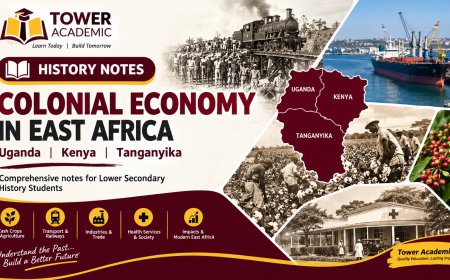
The colonial legacies of both regions differ significantly. East Africa experienced British, Italian, and German colonial rule, while West Africa was primarily influenced by French, British, and Portuguese colonizers. These experiences have shaped their modern political and cultural landscapes. Below is a detailed colonial history of countries in both the East African and West African region.
 German East Africa after the First World War
Colonial History in East Africa
1. Kenya
Colonial Power: United Kingdom (British Empire)
Colonization Period: 1895–1963
Kenya was a British colony, with the British establishing settler farms and exploiting local labor. The country gained independence in 1963.
2. Tanzania
Colonial Power: Germany (German East Africa) and United Kingdom (British Tanganyika)
Colonization Period: 1884–1961
Tanzania was initially a German colony until 1919, after which it became a British mandate under the League of Nations. It gained independence in 1961.
3. Uganda
Colonial Power: United Kingdom (British Empire)
Colonization Period: 1894–1962
Uganda was governed as a British protectorate and gained independence in 1962.
4. Ethiopia
Colonial Power: Italy (briefly)
Colonization Period: 1936–1941
Ethiopia was never fully colonized by a European power, but it was occupied by Italy during the Second Italo-Ethiopian War. It regained independence after WWII.
5. Rwanda
Colonial Power: Germany (initially) and Belgium
Colonization Period: 1884–1962
Rwanda was a German colony until the end of World War I when Belgium took control. It became independent in 1962.
6. Burundi
Colonial Power: Germany (initially) and Belgium
Colonization Period: 1884–1962
Like Rwanda, Burundi was first colonized by Germany, then administered by Belgium. It gained independence in 1962.
7. South Sudan
Colonial Power: United Kingdom (Anglo-Egyptian Sudan)
Colonization Period: 1899–1955
South Sudan was part of Anglo-Egyptian Sudan under British-Egyptian rule until it became a separate country in 2011 after decades of conflict.
8. Sudan
Colonial Power: United Kingdom and Egypt (joint control)
Colonization Period: 1899–1956
Sudan was jointly ruled by Egypt and Britain. It gained independence in 1956.
9. Somalia
Colonial Power: Italy (Southern Somalia) and United Kingdom (Northern Somalia)
Colonization Period: 1889–1960
Somalia was divided into British Somaliland and Italian Somaliland before unifying to form an independent republic in 1960.
10. Seychelles
Colonial Power: United Kingdom
Colonization Period: 1814–1976
Seychelles was a British colony until its independence in 1976.
Colonial History in West Africa

1. Nigeria
Colonial Power: United Kingdom (British Empire)
Colonization Period: 1861–1960
Nigeria was a British colony and protectorate, and it gained independence in 1960.
2. Ghana
Colonial Power: United Kingdom (British Empire)
Colonization Period: 1821–1957
Ghana, formerly the Gold Coast, was a British colony and became the first African country to gain independence in 1957.
3. Senegal
Colonial Power: France
Colonization Period: 1659–1960
Senegal was part of French West Africa and gained independence in 1960.
4. Ivory Coast (Côte d'Ivoire)
Colonial Power: France
Colonization Period: 1893–1960
Ivory Coast was a French colony in West Africa, becoming independent in 1960.
5. Mali
Colonial Power: France
Colonization Period: 1892–1960
Mali was part of French Sudan and became independent in 1960.
6. Burkina Faso
Colonial Power: France
Colonization Period: 1896–1960
Burkina Faso, formerly Upper Volta, was a French colony and gained independence in 1960.
7. Niger
Colonial Power: France
Colonization Period: 1900–1960
Niger was a French colony in West Africa, gaining independence in 1960.
8. Benin
Colonial Power: France
Colonization Period: 1894–1960
Benin, formerly Dahomey, was a French colony and became independent in 1960.
9. Guinea
Colonial Power: France
Colonization Period: 1891–1958
Guinea was the first French African colony to gain independence, in 1958.
10. Liberia
Colonial Power: United States (though never formally colonized, it was founded by freed slaves from the U.S.)
Colonization Period: 1822–1847
Liberia was founded by the American Colonization Society for freed African Americans and became an independent republic in 1847.
Post-Independence Development
After gaining independence, East African countries like Kenya and Tanzania leaned toward socialism and collective farming models, while West African nations like Nigeria adopted mixed economies with a stronger focus on resource extraction.
Cultural Diversity
Ethnic Groups and Languages
East Africa is home to the Swahili people, the Maasai, and the Oromo, among others, with Swahili serving as a lingua franca. In West Africa, ethnic groups such as the Yoruba, Hausa, and Akan dominate, with French, English, and various indigenous languages widely spoken.
Languages Spoken in East Africa:
1. Swahili (Kiswahili)
Widely spoken as a lingua franca in countries like Kenya, Tanzania, and Uganda.
2. Amharic
The official language of Ethiopia and spoken by the Amhara people.
3. Oromo
Spoken by the Oromo people, primarily in Ethiopia and parts of Kenya.
4. Somali
The official language of Somalia, also spoken in parts of Ethiopia and Kenya.
5. Tigrinya
Spoken by the Tigray people in Ethiopia and Eritrea.
6. Kisii (Ekegusii)
Spoken by the Kisii people in southwestern Kenya.
7. Kikuyu
A Bantu language spoken by the Kikuyu people in central Kenya.
8. Luganda
A widely spoken language in Uganda, especially around the capital, Kampala.
9. Rwandan (Kinyarwanda)
The official language of Rwanda, spoken by the majority of the population.
10. Chaga
Spoken by the Chaga people in Tanzania, particularly around Mount Kilimanjaro.
Ethnic Tribes and Languages in West Africa
Ethnic Tribes in West Africa:
1. Yoruba (Nigeria, Benin, Togo)
A major ethnic group in Nigeria, known for their rich cultural history, religion (Yoruba religion), and art.
2. Hausa (Nigeria, Niger, Chad, Cameroon)
One of the largest ethnic groups in West Africa, with a deep influence in trade and Islam.
3. Igbo (Nigeria)
Known for their entrepreneurial spirit, Igbos are mainly found in southeastern Nigeria.
4. Akan (Ghana, Côte d'Ivoire)
Includes subgroups like the Ashanti, famous for their rich gold culture, and traditional governance structures.
5. Fulani (Nigeria, Senegal, Guinea, Mali, Niger)
A pastoralist group spread across West Africa, they are known for their cattle herding and unique culture.
6. Manding (Mali, Guinea, Ivory Coast, Burkina Faso)
Includes the Mandinka people, historically linked to the Mali Empire, with a rich tradition of music and oral history.
7. Berber (Mauritania, Mali)
Indigenous people in the Sahara, with a distinct language and culture, mostly found in the Sahel regions.
8. Wolof (Senegal, Gambia, Mauritania)
A prominent ethnic group in Senegal, known for their social structures and Islam.
9. Bambara (Mali)
Found primarily in Mali, they are known for their agricultural practices and contributions to the history of the Mali Empire.
10. Ewe (Ghana, Togo)
An ethnic group with a rich cultural heritage, particularly in music and dance, mostly found in Ghana and Togo.
Languages Spoken in West Africa:
1. Yoruba
A major language spoken by millions in Nigeria, Benin, and Togo.
2. Hausa
Widely spoken in Nigeria, Niger, and several other countries as a major language for trade and communication.
3. Igbo
Spoken by the Igbo people, primarily in southeastern Nigeria.
4. Akan (Twi, Fante)
The language of the Akan people, including the Ashanti, spoken in Ghana and parts of Côte d'Ivoire.
5. Fulfulde
The language of the Fulani people, widely spoken in West Africa, especially in Senegal and Guinea.
6. Wolof
Spoken by the Wolof people in Senegal, Gambia, and Mauritania.
7. Manding (Mandinka)
Spoken by the Manding people in Mali, Guinea, and other West African countries.
8. Bambara
A key language in Mali, spoken by the Bambara ethnic group.
9. French
The official language in most West African countries that were former French colonies, including Côte d'Ivoire, Senegal, and Mali.
10. English
Spoken as an official language in countries like Nigeria, Sierra Leone, Liberia, and Ghana.
These ethnic tribes and languages highlight the vast cultural diversity across both regions, with each ethnic group contributing its unique traditions, languages, and customs to the rich tapestry of Africa's heritage.
Traditional Practices
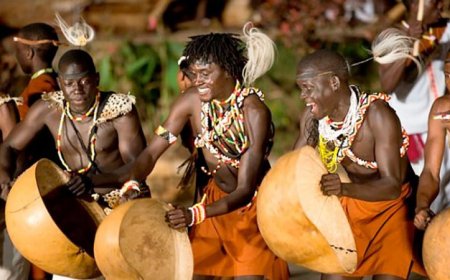
Both regions showcase unique cultural traditions. East African societies are known for their beadwork, storytelling, and pastoral lifestyles, while West Africa is celebrated for its intricate textiles, masquerades, and oral histories.
Modern Cultural Expressions
Contemporary East Africa embraces a blend of indigenous and global influences in its art, fashion, and media. West African countries like Nigeria lead the continent in music, cinema (Nollywood), and literature.
Ethnic Tribes and Languages in East Africa
Ethnic Tribes in East Africa:
1. Maasai (Kenya, Tanzania)
A semi-nomadic ethnic group famous for their distinct clothing, beadwork, and cattle-herding traditions.
2. Kikuyu (Kenya)
The largest ethnic group in Kenya, known for their agricultural practices and rich history in Kenyan independence.
3. Zulu (Tanzania, Kenya, Uganda)
A large ethnic group known for their strong cultural practices, including dance, music, and art.
4. Oromo (Ethiopia, Kenya)
One of the largest ethnic groups in Ethiopia, with a distinct language (Oromo) and cultural practices centered around farming.
5. Amhara (Ethiopia)
Historically significant in Ethiopian governance and culture, the Amhara people speak Amharic and follow Ethiopian Orthodox Christianity.
6. Somali (Somalia, Ethiopia, Kenya)
Primarily found in Somalia, they have a rich oral history and practice Islam. They are also known for their nomadic pastoralist culture.
7. Haya (Tanzania)
An ethnic group based in the Lake Victoria region, known for their farming and trade practices.
8. Tutsi (Rwanda, Burundi, Uganda, Democratic Republic of Congo)
Historically a cattle-herding group with a significant role in the history of Rwanda and Burundi.
9. Bantu (Uganda, Kenya, Tanzania, Mozambique)
A collective name for various groups such as the Baganda, Basoga, and Chaga. They are primarily agriculturalists with a rich cultural heritage.
10. Bajuni (Kenya, Somalia)
An ethnic group in the coastal regions of Kenya and Somalia, known for their Swahili culture and maritime traditions.
Political Landscape
Governance Structures
East African nations often operate under parliamentary systems, with countries like Uganda and Ethiopia exploring federalism. West Africa’s political systems range from democratic republics in Ghana to military-influenced regimes in Mali.
Regional Organizations
The East African Community (EAC) focuses on economic integration and regional stability, while the Economic Community of West African States (ECOWAS) plays a pivotal role in West Africa’s political and economic cohesion.
Key Political Challenges
Both regions face governance issues, including corruption, political instability, and ethnic conflicts. However, efforts toward democratic reforms and peace-building initiatives are ongoing.
Economic Overview
Major Industries
East Africa thrives on agriculture, tourism, and manufacturing, while West Africa’s economies heavily rely on oil, mining, and cocoa production.
Economic Growth Trends
Both regions have seen steady growth, but West Africa’s oil boom has often outpaced East Africa’s agricultural-driven economy.
Trade and Regional Markets
West Africa’s ECOWAS facilitates cross-border trade, whereas East Africa’s EAC promotes a common market and currency integration.
Education Systems
Literacy Rates and Access to Education
West Africa faces lower literacy rates compared to East Africa due to disparities in access and investment. However, both regions prioritize education as a tool for development.
Cultural Emphasis on Education
Education is deeply valued across the regions, with families often making significant sacrifices to provide schooling for their children.
Key Institutions
Top 10 Recognized Universities in East Africa
1. University of Nairobi (Kenya)
Known for its academic excellence and research in science and technology.
2. Makerere University (Uganda)
One of Africa's oldest and most prestigious institutions, with strong programs in medicine and social sciences.
3. Addis Ababa University (Ethiopia)
A leading center for higher education and research in Ethiopia.
4. University of Dar es Salaam (Tanzania)
Renowned for its law, engineering, and environmental studies programs.
5. Jomo Kenyatta University of Agriculture and Technology (Kenya)
Specializes in technology, agriculture, and engineering.
6. University of Rwanda (Rwanda)
A key institution for education, research, and innovation in Rwanda.
7. Egerton University (Kenya)
Notable for its agricultural and environmental sciences programs.
8. Moi University (Kenya)
Offers diverse programs with a focus on health sciences and business studies.
9. University of Khartoum (Sudan)
A leading institution in Sudan, known for its engineering and medical programs.
10. Strathmore University (Kenya)
Recognized for its business school and IT programs.
Top 10 Recognized Universities in West Africa
1. University of Ghana (Ghana)
A top university offering programs in social sciences, health sciences, and the arts.
2. University of Ibadan (Nigeria)
The oldest university in Nigeria, known for research and postgraduate education.
3. Obafemi Awolowo University (Nigeria)
Famous for its architectural design and excellence in various academic fields.
4. University of Lagos (Nigeria)
Offers robust programs in law, business, and engineering.
5. Kwame Nkrumah University of Science and Technology (Ghana)
Renowned for its engineering and technology-focused programs.
6. Ahmadu Bello University (Nigeria)
A large and diverse institution excelling in agriculture and veterinary sciences.
7. Université Cheikh Anta Diop (Senegal)
Known for its programs in medicine, law, and the humanities.
8. Covenant University (Nigeria)
A private university recognized for its innovative teaching methods and entrepreneurship programs.
9. University of Abuja (Nigeria)
Offers diverse programs with a growing reputation for excellence in education and social sciences.
10. Université d'Abomey-Calavi (Benin)
The largest university in Benin, noted for its science and law faculties.
These universities represent the intellectual hubs of East and West Africa, contributing to education, research, and innovation in their respective regions.
Religion and Spirituality
Dominant Religions
East Africa predominantly practices Christianity and Islam, while traditional African religions remain influential. West Africa also exhibits a mix of Islam and Christianity, with syncretism playing a significant role.
Role of Spirituality in Daily Life
Spirituality permeates daily activities in both regions, influencing festivals, rituals, and community gatherings.
Interfaith Interactions
Both regions showcase examples of peaceful coexistence and interfaith dialogue despite occasional tensions.
Cuisine and Food Culture
Popular Dishes
East Africa is known for dishes like ugali, injera, and nyama choma. West Africa offers iconic meals such as jollof rice, fufu, and suya.
Influence of Climate on Food Choices
The tropical climate of West Africa favors root crops and spices, while East Africa’s varied climate supports grains, vegetables, and meats.
Food as a Cultural Expression
Meals in both regions are central to celebrations and symbolize unity and hospitality.
Music and Dance
Traditional Music Forms
East African taarab music blends Arabic and African influences, while West African drumming and highlife music are globally renowned.
Contemporary Music Influences
West Africa leads the Afrobeat genre, while East African artists excel in bongo flava and gospel music.
Significance of Dance
Dance serves as a vital cultural expression, from traditional ceremonies to modern performances.
Tourism and Attractions
Key Tourist Destinations
East Africa boasts safaris in Kenya and Tanzania, while West Africa draws visitors to Goree Island and Timbuktu.
Highlights from Each Region
Mount Kilimanjaro and the Serengeti define East African tourism, while the Slave Castles of Ghana are pivotal for West Africa.
Ecotourism and Heritage
Both regions are increasingly emphasizing sustainable tourism and cultural heritage preservation.
Top 10 Tourist Attractions in East Africa
1. Mount Kilimanjaro (Tanzania)
The tallest mountain in Africa, popular for trekking and stunning views.
2. Serengeti National Park (Tanzania)
Famous for the Great Migration, where millions of wildebeest and zebras roam.
3. Masai Mara National Reserve (Kenya)
Known for its abundant wildlife and cultural experiences with the Maasai people.
4. Lake Victoria (Tanzania, Uganda, Kenya)
The largest lake in Africa, offering fishing, boating, and vibrant lakeside communities.
5. Bwindi Impenetrable National Park (Uganda)
Home to endangered mountain gorillas and excellent trekking experiences.
6. Ngorongoro Crater (Tanzania)
A UNESCO World Heritage site with unique wildlife and stunning landscapes.
7. Zanzibar Archipelago (Tanzania)
Pristine beaches, historic Stone Town, and vibrant Swahili culture.
8. Lalibela (Ethiopia)
Famous for its monolithic rock-hewn churches, a pilgrimage site for many.
9. Rift Valley Lakes (Kenya, Ethiopia)
A collection of stunning lakes, including Lake Nakuru, known for flamingos and birdlife.
10. Amboseli National Park (Kenya)
Renowned for its elephants and breathtaking views of Mount Kilimanjaro.
Top 10 Tourist Attractions in West Africa
1. Cape Coast Castle (Ghana)
A historic site that served as a hub for the trans-Atlantic slave trade.
2. Goree Island (Senegal)
A UNESCO World Heritage site symbolizing the history of the slave trade.
3. Timbuktu (Mali)
Known for its ancient manuscripts and role as a center of Islamic learning.
4. Obudu Mountain Resort (Nigeria)
A picturesque retreat with lush landscapes and cool weather.
5. Ouidah (Benin)
A spiritual center for Vodou culture and home to the Slave Route memorial.
6. Osun-Osogbo Sacred Grove (Nigeria)
A UNESCO World Heritage site with shrines and sculptures dedicated to the goddess Osun.
7. Djenne Mosque (Mali)
The largest mud-brick building in the world and a symbol of Sahelian architecture.
8. The Gambia River (The Gambia)
A serene waterway offering cruises and rich birdwatching opportunities.
9. Nzulezo Stilt Village (Ghana)
A unique village built on stilts over a lagoon, accessible only by canoe.
10. W National Park (Niger, Benin, Burkina Faso)
A transboundary reserve home to diverse wildlife, including elephants and hippos.
These attractions highlight the stunning landscapes, rich history, and vibrant cultures of East and West Africa, offering visitors unforgettable experiences.
Frequently Asked Questions (FAQs)
1. What are the key geographical differences between East and West Africa?
East Africa has mountainous terrains and rift valleys, while West Africa features plains and tropical forests.
2. Which region is more culturally diverse?
Both are diverse, but West Africa boasts a larger number of ethnic groups due to its size and history.
3. What are the major economic activities?
East Africa focuses on agriculture and tourism, while West Africa is rich in oil and mining.
4. How do the regions differ in music styles?
East African music incorporates Swahili influences, while West African music is dominated by Afrobeat and highlife.
5. What role does history play in defining each region?
Historical empires and colonial legacies significantly shape the identity of both regions.
6. Which region is better for tourism?
Both offer unique attractions, from safaris in East Africa to cultural heritage sites in West Africa.
Conclusion
East Africa and West Africa each hold unique charms that contribute to the vibrancy of the African continent. While their differences are striking, they also share common goals of development, unity, and cultural preservation. By understanding and celebrating these distinctions, we pave the way for greater appreciation and cooperation between these dynamic regions.