
















The Congo River: Africa’s Lifeline for Trade, Culture, and Connectivity
Explore the Congo River, Africa’s natural highway that supports trade, culture, and transportation. Learn about its role in connecting communities, fostering economic growth, and sustaining biodiversity.
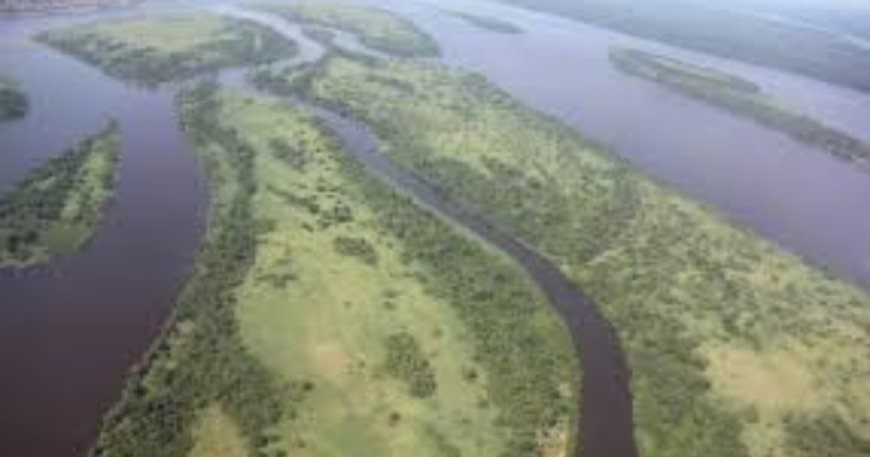
Embark on a journey along one of the most iconic waterways in the world—The Congo River. This mighty river, twisting and turning for over 2,920 miles, is often hailed as Africa's natural highway. It's not just a river; it's a lifeline for millions, weaving its way through dense rainforests, vibrant cities, and historic landscapes.
“The Congo River is the heart of Africa, where the pulse of life beats with a rhythm as old as the continent itself.”
As you explore its banks, you’ll discover more than just its stunning beauty. The Congo River is a vibrant tapestry of culture, history, and biodiversity. Picture vast wildernesses teeming with wildlife and communities whose lives are intertwined with the river’s flow.
• An artery for transportation and trade.
• A cradle of unique cultural practices and age-old traditions.
• A sanctuary for numerous animals and plant species.
Whether you’re a history buff, a nature enthusiast, or a curious traveler, the Congo offers an unparalleled glimpse into a land where nature and humanity meet in harmony. Its mighty river acts as a lifeline, weaving through landscapes that are both breathtaking and rich in resources.
Kinshasa: The Heart of the River's Network
At the center of this natural tapestry lies Kinshasa, the bustling capital of the Democratic Republic of the Congo. Situated on the banks of the Congo River, it serves as a vital hub for both local and international transport. This city is your gateway to exploring the dynamic waterways that have powered economies and connected communities for centuries.
The Congo River is not just a symbol of natural beauty; it’s a functional highway that offers over 8,700 miles (approximately 14,000 km) of navigable routes, enabling the flow of goods and people throughout the country. This intricate network includes key domestic routes that connect Kinshasa to other major regions, like the copper-rich southeast Katanga, and extend all the way to neighboring nations.
Seamless Connectivity Across Borders
Regular boat and ferry services link Kinshasa to Brazzaville, just across the river, highlighting the river's role as an international conduit. Moreover, its tributaries such as the Ubangui River stretch outwards, reaching cities like Bangui and connecting further to the eastern shores where Lake Kivu cradles Goma and Bukavu.
Such accessibility underscores how the Congo River acts as more than just a waterway. It serves as a vital artery that enhances trade, supports livelihoods, and fosters inter-regional relationships, making it an indispensable feature of the Congolese landscape. Connecting not just cities within the Democratic Republic of the Congo, this river serves as a gateway for a plethora of activities. Its extensive network of 8,700 miles of navigable waterways accommodates the movement of goods and people across vast distances. The river is the backbone for local communities, providing a critical lifeline for essentials such as food and materials.
The Congo River's influence extends beyond just economic aspects; it weaves through cultural and social fibers as well. Its banks are home to diverse ethnic groups that have long relied on its waters for commerce and cultural exchange. This natural highway not only bolsters economic growth but also promotes unity and understanding among the regions.
As you explore the Congo River, consider the thousands of kilometers of tributaries and their contribution to regional connectivity. Boats and ferries are a common sight, reflecting the continuing reliance on this powerful waterway for transportation needs. This traditional reliance highlights the importance of maintaining and improving navigational infrastructure to support ongoing and future demands. , these waterways serve as crucial lifelines, not just for transportation, but also for economic vitality and cultural exchange. As you travel along the Congo River, you’ll notice it is bustling with activities—goods being transported, local markets thriving by the riverbanks, and communities engaging in lively trade. The essence of this river lies in its ability to connect diverse regions seamlessly, transcending both physical and cultural boundaries.
Water transportation on Congo River
Your journey along the Congo is a step back in time, witnessing a form of transportation that has remained largely unchanged for generations. However, the integration of modern technology and improved infrastructure holds the promise of transforming this 'natural highway,' making it more sustainable and efficient for future generations. While the river itself serves as the backbone of transportation in the region, the efforts to harmonize it with modern infrastructure are crucial. The Congo River's vast network of waterways cuts through the heart of the continent, offering routes that cross multiple regional divides. This not only enhances connectivity but also positions the river as a pivotal avenue for economic development.
Imagine the bustling shores of the Congo, where industrious port towns like Boma come alive with economic activity. Here, the docking stations perfect the art of welcoming cargo from across the globe. As these vessels transition their loads to the vibrant local markets and rail connections, they set the stage for a thriving commercial ecosystem.
Connecting Kinshasa to outlying areas isn't just about enhancing trade; it's an encore in African logistics innovation. The combination of water and rail transport forms a unique synergy, one that exemplifies the continent's resilience and adaptability. With railways stretching from Matadi to the river ports, a seamless transition for goods and people is fostered, promoting both domestic and international trade.
In essence, traversing the Congo River isn't just a physical journey but a journey through the pulse of the region—the challenges, the progress, and the untapped potential. By investing in these waterways and the associated technologies, a new era of socio-economic revival can be ushered in for communities that have long been on the fringes of development.
KEY FACTS ABOUT CONGO RIVER
|
Route |
Distance (km) |
Key Destinations |
Status of Navigation |
|
Banana to Matadi |
148 |
Banana, Matadi |
Year-round |
|
Kinshasa to Kisangani |
1,734 |
Kinshasa, Mbandaka, Kisangani |
Year-round |
|
Obundu to Kindu |
640 |
Obundu, Kindu |
Year-round |
|
Kongolo to Bukama |
232 |
Kongolo, Bukama |
Year-round |
The Congo River serves as an important transportation artery, not just for logistics but also for connecting communities across its vast expanse. Its navigable routes are operational year-round, underscoring their crucial role in the region's economic and social framework.
Each journey along these passages is a testament to the river's reliability and the enduring relationship between the waterway and the people who depend on it daily. Whether you're charting a course from Banana to Matadi, a swift 148 kilometers, or embarking on the substantial 1,734-kilometer trek from Kinshasa to Kisangani, you're traversing an integral part of Africa's bustling natural highway. These paths are consistently maintained to ensure smooth travels, catering not just to commercial pursuits but also to the everyday lives of those residing along the riverbanks.
On these journeys, you encounter diverse landscapes and vibrant cultures. Each destination along these routes—from the thriving hub of Matadi to the industrious city of Kindu—offers stories of resilience and innovation, fostering connections that stretch beyond mere geographical boundaries.html challenges faced by the Congo River are numerous and varied. One of the primary challenges is the navigation difficulties presented by its rapids and cascades, particularly between Kinshasa and Kisangani. These natural obstacles can significantly hinder the smooth flow of goods and passengers, requiring innovative solutions to promote trade and transport efficiency.
Moreover, seasonal fluctuations in water levels add an element of unpredictability to transportation planning. The river can swell during rainy seasons, posing a threat to safety and infrastructure, while dry periods may hinder navigability in certain sections. These variations necessitate adaptive strategies for authorities and operators alike.
Environmental concerns also play a significant role. Deforestation and pollution threaten the river's ecosystem, impacting both the environment and the communities that rely upon it. Addressing these issues requires coordinated conservation efforts and sustainable practices to preserve this vital waterway for future generations.
Despite these challenges, ongoing efforts to improve infrastructure and promote regional cooperation hold promise. Enhanced railway connections, partnerships to tackle environmental degradation, and technological advancements continue to pave the way toward a more accessible and thriving Congo River. a future driven by effective solutions to these challenges seems closer than ever.
Solutions to the challenges faced on river Congo
One promising approach is leveraging technology to enhance navigational systems and infrastructure. This involves investing in modernizing ports along the river, reducing bottlenecks, and increasing the efficiency of trade routes.
Additionally, fostering international partnerships can facilitate the mobilization of resources. Countries along the Congo River need to come together to share best practices, pool funding, and encourage sustainable development initiatives.
On a local level, engaging communities in maintenance and conservation projects ensures that improvements to the infrastructure reflect the needs of those who rely on the river daily. Citizen participation can drive sustainable upkeep, maintaining waterways for future generations.
These strategies, combined with a commitment from regional governments and international bodies, hold the potential to transform the Congo River into an even more integral part of Africa's economic landscape. As the lifeline of Central Africa, the Congo River offers unparalleled opportunities to bolster socio-economic development throughout the region.
By improving infrastructure and streamlining regulatory processes, more efficient routes for both goods and people can be established. This not only catalyzes regional growth but also enhances Africa's position in the global trade network.
Environmental and social considerations are crucial in this development. Sustainable practices must be implemented to protect the river's ecological balance, ensuring that the benefits of economic advancement are not overshadowed by environmental degradation. Active participation from local communities will be essential, fostering a shared responsibility towards resource management and ensuring that growth is inclusive and equitable.
The harmony between natural beauty and progress is striking along the Congo River, but so is the challenge of preserving one while promoting the other. Investing in this 'natural highway' signifies a commitment to a future where economic vitality coexists with ecological sustainability. In this regard, infrastructure projects like the bridge over the Congo highlight the potential to enhance regional connectivity while fostering sustainable development.
As you navigate the dynamic interplay of commerce and conservation, the river is not merely a channel for trade but a cradle of life that sustains countless communities. The focus, therefore, extends beyond immediate benefits to include the long-term preservation of its rich biodiversity.
Imagine a future where technological advancements and innovative strategies work in tandem to amplify the river's role as Africa's most vital navigational system. With approximately 9,300 miles of navigable inland waterways, the Congo River opens doors to economic opportunities and regional cooperation. Each sector along its banks contributes pieces to a puzzle of shared progress and prosperity.
The sustainable development of this 'natural highway' will ensure that the Congo River continues to offer seamless connectivity across borders. Picture yourself embarking on a journey from Kinshasa to Kisangani, experiencing the vivid landscapes and the thriving cultural tapestry that only this majestic river can offer. It is a remarkable journey that showcases the Congo River as both a natural wonder and a vital artery for economic activity.
The river's extensive network of roads in the water provides indispensable lifelines to the communities along its banks. Whether you're witnessing local merchants transporting goods on tugs pushing barges, or marveling at the vibrant ecosystems that flourish along the shores, this waterway delivers more than just connectivity—it's a gateway to understanding the region's immense cultural and natural wealth.
As you travel along the Congo River, you'll discover that it's not just a route but a vibrant channel of life and trade. It enables the flow of goods and services, breaking barriers and bridging gaps that might otherwise seem insurmountable. This makes the Congo River an undeniable asset in the pursuit of growth and progress within the region. Witnessing the Congo River in action offers a profound insight into its invaluable role across ecosystems and communities.
This magnificent river is more than a natural wonder—it's a testament to resilience and connectivity in the heart of Africa. Its extensive waterways not only enhance transportation efficiency but also empower individuals and industries, cultivating a network of possibilities. As part of Africa’s natural highway, the Congo River continues to fuel economic vitality and foster cultural exchanges, solidifying its place as a pillar of life and advancement.
Embrace the Journey
Whether you're exploring its lush banks or engaging in trade across its waters, the Congo River welcomes you to participate in its legacy. Embrace the journey and join in celebrating this remarkable hallmark of nature and human endeavor.
The Congo River is more than just a body of water—it is the lifeline of Central Africa, shaping the region’s economy, culture, and environment. From its role in trade and transportation to its impact on communities and biodiversity, this mighty river remains an essential part of Africa’s development.
As a natural highway, it connects remote villages to bustling cities like Kinshasa, facilitates commerce across borders, and sustains millions of people. However, challenges such as navigation difficulties, environmental concerns, and infrastructure gaps must be addressed to unlock its full potential.
By investing in sustainable development, modernizing transportation, and preserving its rich ecosystems, the Congo River can continue to thrive as a pillar of progress. Whether you view it as a route for economic growth or a symbol of cultural unity, the Congo River stands as a testament to resilience, connectivity, and opportunity in the heart of Africa.