

















The Role of Sports and Physical Education in the New Curriculum
Sports and Physical Education are essential components of the new curriculum, supporting the all-round development of students beyond academics. They enhance physical fitness, mental health, and cultivate important life skills such as teamwork and leadership, helping to create a more inclusive and dynamic school environment.
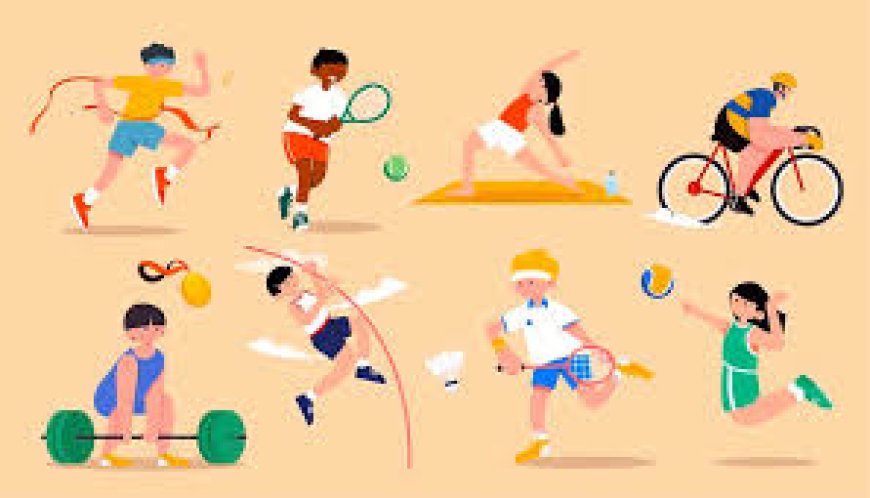
The Role of Sports and Physical Education in the New Curriculum is a critical examination of how contemporary educational frameworks incorporate sports and physical education (PE) to enhance student well-being and development. In response to rising public health concerns, such as childhood obesity and sedentary lifestyles, modern curricula have evolved to prioritize not only physical fitness but also so
Significantly, the new curriculum emphasizes goals such as enhancing social skills, promoting emotional regulation, and teaching effective goal-setting. These objectives aim to create an inclusive and supportive learning environment where students learn to navigate social dynamics, cope with challenges, and engage actively in their education.[3][4][5] Research has demonstrated that well-implemented physical education programs can positively impact academic performance and behavior, reinforcing the connection between physical activity and cognitive development.[2][6]
However, the integration of sports and PE into the curriculum is not without its challenges. Issues such as resource limitations, teacher preparedness, and varying levels of inclusivity can hinder the successful implementation of these programs.[7][8] Furthermore, while there is a push for comprehensive approaches to foster healthy
As schools navigate these complexities, the role of continuous evaluation, profes- sional development for educators, and alignment with national standards becomes crucial. These efforts aim to ensure that sports and physical education not only contribute to individual student success but also advance broader public health goals, thereby solidifying their importance in the modern educational landscape.[2][10][9]
Historical Context
The evolution of physical education in the United States has been shaped by various educational policies and societal changes over time. In the early 20th century, physical education was primarily focused on physical fitness and health, emphasizing traditional sports and gymnastics as core components of the curriculum[1]. This approach was heavily influenced by the progressive education movement, which aimed to develop the whole child through active participation in diverse physical activities[11].
As the education system developed, particularly during the mid-20th century, physical education began to incorporate a broader range of objectives beyond mere physical fitness. The emphasis shifted towards holistic development, including social skills, teamwork, and ethical values through sports[12]. This period also marked a recogni- tion of the importance of adapting physical education programs to meet the needs of all students, including those with disabilities, aligning with the ideals set forth in the Individuals with Disabilities Education Act (IDEA)[13].
In recent decades, the role of physical education has become increasingly significant in addressing public health concerns, particularly the rising rates of childhood obesity and sedentary lifestyles. Research has shown that effective physical education programs can play a vital role in promoting active living and enhancing overall student well-being[2][14]. This has led to a greater emphasis on evidence-based practices and the implementation of policies to improve the quality and accessibility of physical education across various educational settings.
Furthermore, the diversity of physical education curricula has expanded to include various models such as movement education, sport education, and fitness education, reflecting the growing understanding of different learning styles and the need for inclusive practices[2]. These changes highlight the ongoing adaptation of physical education to better serve students' needs and contribute to their overall educational experience, ensuring that it remains a relevant and integral part of the school curriculum.
Goals and Objectives
Overview of Goals

The goals of sports and physical education (PE) in the new curriculum are multifac- eted, focusing on the holistic development of students. Central to these objectives is the promotion of social-emotional learning (SEL), which helps students better understand and manage their emotions, cultivate empathy, and develop strong inter- personal relationships[3][5]. By integrating SEL into sports and PE, educators aim to create a nurturing environment that fosters both physical and emotional well-being.
Objectives of Physical Education
Development of Social Skills
One of the primary objectives of PE is to enhance students' social skills through team sports. Participating in team sports encourages students to build a social network, fostering a sense of belonging and camaraderie, which is crucial for their overall de- velopment[4]. Research indicates that young athletes who engage in these activities often experience improved self-esteem, which positively impacts their motivation to face new challenges and overcome hardships[4].
Promotion of Goal-Setting
Another objective is to instill effective goal-setting skills in students. Sports inherently require participants to set and strive for goals, whether it's winning a game or achieving personal milestones. This process not only teaches perseverance and discipline but also equips students with the ability to apply these skills to academic pursuits and future careers[4][5].
Emotional Regulation and Stress Management
The curriculum also aims to enhance students' emotional regulation capabilities. The competitive nature of sports offers a structured environment for children to learn how to manage emotions, cope with both victory and defeat, and develop resilience[4]. Engaging in physical activity is a well-documented way to alleviate stress, and when combined with teamwork, it serves as an effective strategy for stress management[4][5].
Cross-Curricular Integration
Physical education is not limited to physical activity alone; it should also serve as a cross-curricular platform for reinforcing academic lessons. By applying SEL principles across various subjects, students can learn to connect their emotional experiences with academic content, thereby improving their overall classroom performance and attitudes towards learning[3][5].
Implementation Strategies
School-Based Approaches

Various school-based approaches have been identified to enhance the effectiveness of sports and physical education (PE) in the new curriculum. These approaches include the qualifications of teachers, the implementation of content during lessons, and the incorporation of break-time activities and summer-school programs to enrich student engagement in physical activities[15]. For instance, one intervention by Sum et al. was carried out in both primary and secondary schools, emphasizing the need for adaptable strategies across different educational settings[15].
Key Considerations for Inclusion
In order to create an inclusive environment in PE, several key considerations should be addressed:
- Choice: Providing a variety of participation options to cater to different student preferences.
- Partnerships: Collaborating with community organizations and support systems to enhance program reach and effectiveness.
- Communication: Establishing effective communication methods among stakeholders to facilitate feedback and improvements.
- Policy: Developing a commitment to inclusion through clear policies that guide practices in schools.
- Opportunities: Making practical changes to ensure equal opportunities for all learners to participate in physical activities[16].
Additionally, it is essential to offer multiple levels of challenge in physical activities. This approach allows students to engage at their optimal level, thereby promoting participation across diverse abilities. Tools developed by organizations such as Special Olympics Australia can support the teaching of inclusive activities through activity cards that utilize the TREE model, focusing on modifying activities for greater inclusion[16].
Research and Evaluation
Future research should aim to evaluate the reliability, feasibility, and sustainability of the identified strategies when implemented on a larger scale. This includes assessing barriers and facilitators specific to local, regional, national, and international contexts, particularly the differences in implementation across primary and secondary educa- tion levels[9]. Additionally, the long-term effectiveness of these PE strategies must be evaluated to understand their impact on promoting healthy lifestyle indicators within the student population[9].
Professional Development
Quality professional development for teachers is a crucial component of imple- menting effective PE strategies. The No Child Left Behind Act emphasizes the need for continuous professional development, aimed at improving teachers' subject knowledge and instructional strategies. High-quality professional development programs are characterized by being sustained, intensive, and content-focused, directly related to state academic standards and assessments[2]. Moreover, it should also enhance teachers' skills in integrating fitness testing and promoting healthy living habits among students[2].
Curriculum Design
Curriculum design in physical education is essential for creating effective educational experiences that promote student health and engagement in physical activity. A well-structured curriculum is a written, clearly articulated plan that outlines how educational standards and outcomes will be achieved. It should be comprehensive, sequential, and based on national or state standards, integrating learning objectives for students and detailed units and lessons for teachers to implement[17][18].
Key Components of Curriculum Design
Standards Alignment
The curriculum must align with national and state standards for physical education, ensuring that it meets performance expectations and caters to students' learning needs. This alignment not only enhances the quality of education but also supports educators in utilizing effective strategies in their teaching practices[2][17].
Assessment Strategies
Assessment plays a crucial role in the physical education curriculum. It involves both formative and summative assessments to track student progress and ensure that learning objectives are being met. These assessments should be aligned with estab- lished physical education standards and should include various methods to provide a comprehensive evaluation of student achievement[2][19]. Moreover, incorporating student choice in assessments can enhance engagement and ownership of learning outcomes[16].
Inclusivity and Equity
An effective physical education curriculum should prioritize inclusivity and equity. Programs must be designed to be universally accessible, catering to all students regardless of their individual challenges. This includes providing appropriate modifi- cations and choices in physical activities to ensure that every child can participate and benefit from the curriculum[16][10].
Integration of Active Gaming
Recent developments in physical education have introduced active gaming as a means to increase student engagement and physical activity. Exergaming, while ap- pealing to students, has shown mixed results regarding its effectiveness in promoting habitual physical activity. Research indicates that while such activities can elevate
Continuous Improvement and Professional Development
To ensure the curriculum remains effective and relevant, it is vital to engage in ongoing evaluation and periodic reviews. Stakeholders, including educators and administrators, should assess the physical education program's effectiveness and make necessary adjustments based on student performance and feedback[2][10]. Furthermore, high-quality professional development opportunities for physical edu- cation teachers are crucial in equipping them with the necessary skills and knowledge to implement the curriculum successfully and foster student achievement[2][19][18].
Implementation Strategies
School-Based Approaches
Various school-based approaches have been identified to enhance the effectiveness of sports and physical education (PE) in the new curriculum. These approaches include the qualifications of teachers, the implementation of content during lessons, and the incorporation of break-time activities and summer-school programs to enrich student engagement in physical activities[15]. For instance, one intervention by Sum et al. was carried out in both primary and secondary schools, emphasizing the need for adaptable strategies across different educational settings[15].
Key Considerations for Inclusion
In order to create an inclusive environment in PE, several key considerations should be addressed:
- Choice: Providing a variety of participation options to cater to different student preferences.
- Partnerships: Collaborating with community organizations and support systems to enhance program reach and effectiveness.
- Communication: Establishing effective communication methods among stakeholders to facilitate feedback and improvements.
- Policy: Developing a commitment to inclusion through clear policies that guide practices in schools.
- Opportunities: Making practical changes to ensure equal opportunities for all learners to participate in physical activities[16].
Additionally, it is essential to offer multiple levels of challenge in physical activities. This approach allows students to engage at their optimal level, thereby promoting participation across diverse abilities. Tools developed by organizations such as
Research and Evaluation
Future research should aim to evaluate the reliability, feasibility, and sustainability of the identified strategies when implemented on a larger scale. This includes assessing barriers and facilitators specific to local, regional, national, and international contexts, particularly the differences in implementation across primary and secondary educa- tion levels[9]. Additionally, the long-term effectiveness of these PE strategies must be evaluated to understand their impact on promoting healthy lifestyle indicators within the student population[9].
Professional Development
Quality professional development for teachers is a crucial component of imple- menting effective PE strategies. The No Child Left Behind Act emphasizes the need for continuous professional development, aimed at improving teachers' subject knowledge and instructional strategies. High-quality professional development pro- grams are characterized by being sustained, intensive, and content-focused, directly related to state academic standards and assessments[2]. Moreover, it should also enhance teachers' skills in integrating fitness testing and promoting healthy living habits among students[2].
Case Studies
SPARK Program
The SPARK program is a research-based initiative designed to enhance the health, fitness, and physical activity levels of youth. It focuses on creating, implementing, and evaluating programs that promote lifelong wellness through a comprehensive ap- proach. The program emphasizes environmental and behavioral change by offering a coordinated package that includes an active curriculum, on-site teacher training, extensive follow-up support, and content-matched equipment. This approach aims to foster healthy lifestyles, develop motor skills, and promote social and personal skills among students[2]. Research indicates that SPARK has successfully increased student activity levels and provided sustainable positive changes within school dis- tricts[2].
Inclusive Education Practices
The integration of students with special needs into physical education has been high- lighted through the visit to the Abilities Center, where teacher candidates experienced a facility promoting full inclusion. This facility showcased not just sports but also labs for life skills and arts, demonstrating the potential of inclusive education. Teacher
Challenges and Opportunities with New Standards
The adoption of new National Physical Education Standards presents both chal- lenges and opportunities within educational settings. Among the challenges are resource limitations, which may hinder the effective implementation of these stan- dards due to inadequate facilities, equipment, and technology access. Furthermore, ongoing professional development is necessary for physical education teachers to adapt to a more holistic teaching approach that aligns with these standards[7].
Despite these hurdles, the new standards offer opportunities for enhanced student well-being and innovative teaching strategies that engage students more effectively in their physical education[7].
Teacher Attitudes Towards Inclusion
Teacher attitudes play a critical role in the successful implementation of inclusive physical education. Studies indicate that while many student teachers support the policy of full inclusion, there exists a perception that achieving this goal is unrealistic. This highlights the need for a shift in teacher education to better prepare future educa- tors to embrace inclusive practices and incorporate the perspectives of students with special needs into their curriculum designs[8][16]. Through the development of clear communication strategies, partnerships, and policy commitments, educators can create an environment that offers equal opportunities for all learners to participate actively in physical education[15].
Impact on Students
Student Engagement in Physical Education
Student engagement in physical education (PE) is influenced by various factors, in- cluding the complexity of the lesson content and the instructional methods employed by teachers. Observations indicate that students generally show high engagement levels, particularly in activities with a physical focus, where they are often active participants[1]. For example, during high-level teaching, students displayed more significant engagement when the activities were academically oriented, suggesting that when lesson complexity is appropriately matched with instructional support, students, including those with disabilities, are more likely to participate on equal terms with their peers[1].
Furthermore, the structure of PE classes plays a critical role in fostering engagement. Students tend to be more engaged in whole group formats where they maintain com- municative proximity to teachers, which facilitates higher levels of on-task behavior
Social and Emotional Learning Integration
In addition to physical engagement, integrating social and emotional learning (SEL) into PE has proven beneficial for students. For instance, strategies such as exit tickets allow students to reflect on their experiences and assess their own engagement, fostering accountability and encouraging personal growth[20]. This self-assessment process not only holds students accountable but also enables educators to identify and address any misunderstandings that may arise during lessons[20]. Such prac- tices contribute to the development of students' emotional intelligence and resilience, preparing them for real-world social interactions and conflict resolution.
Fitness Education and Academic Outcomes
Research suggests a positive correlation between participation in physical education and improved academic-related outcomes. Engaging in regular physical activity is linked to enhancements in classroom behavior, cognitive development, and overall academic performance[2]. Despite pressures from educational policies that may reduce time allocated for PE, studies indicate that physical education does not detract from academic achievement. In fact, a well-structured fitness education program can serve multiple purposes, including motivating students to pursue healthier lifestyles and equipping them with the knowledge and skills to maintain their fitness throughout life[2][6].
Collaborative Learning Approaches
In inclusive PE settings, cooperative learning strategies that emphasize teamwork and shared responsibilities have been found to reduce exclusion and enhance student engagement. By fostering a sense of community and collaboration, these approaches help all students feel valued and supported in their learning environmen- ts[1][2]. The promotion of collaborative activities not only enriches the PE experience but also equips students with essential interpersonal skills that are transferable to other aspects of their education and social lives.
Future Directions
The future of sports and physical education (PE) within the educational curriculum is poised for significant transformation, driven by emerging trends and research.
Continued refinements in observation instruments tailored for secondary school stu- dents in PE settings are necessary to enhance their effectiveness and applicability[1]. Future studies should aim to identify reliable, feasible, and sustainable strategies for implementing PE on a larger scale, while addressing the various stakeholders involved, including teachers, students, and policymakers[9].
Emphasis on Quality and Quantity
As educational frameworks evolve, there is an increasing need to focus not only on the quantity of PE classes but also on the quality of instruction delivered. This includes exploring successful implementation strategies that can reveal essential elements for improving policy and practice within PE programs[9]. Stakeholders must recognize that enhancing the learning experience in PE is critical for fostering healthier lifestyles among students. To this end, recommendations include ensuring that PE classes are inclusive, promoting daily mandatory participation across all educational levels, and improving overall working conditions for PE instructors[9].
Integration of Technology
The incorporation of technology into PE curricula presents both challenges and opportunities. Blended learning models that utilize online resources can enhance instructional design; however, the specific demands of physical education require careful consideration in the integration process. Addressing key challenges such as flexibility and interaction within blended environments is vital for fostering effective learning experiences[21]. By leveraging technology, educators can provide personal- ized feedback, track student progress, and promote lifelong engagement in physical activity[22].
Curriculum Development and Inclusivity
The future of PE will also necessitate a robust and dynamic curriculum that aligns with national, state, and local standards while promoting physical, cognitive, and social literacy[9]. Inclusion of diverse movement behaviors and cross-cutting themes within the curriculum is essential to accommodate the varying needs of students and foster a sense of belonging[9]. Additionally, there is a pressing need for effective collaboration among government and non-government institutions to advocate for policies that prioritize the development of PE programs, ensuring that they remain relevant and impactful[9][23].
Long-term Evaluation and Sustainability
To measure the effectiveness of new PE strategies, it is crucial to establish mecha- nisms for long-term evaluation that consider the impact on healthy lifestyle indicators within the population. Future research should focus on identifying barriers and facilitators that affect the implementation of PE programs, while also assessing their sustainability across various contexts[9]. This comprehensive approach will help to bridge the gap between theory and practice, ultimately leading to improved health and educational outcomes for students[12].
By embracing these future directions, the field of sports and physical education can continue to evolve, ensuring that it meets the needs of students and society at large while fostering a culture of health and active living.
References
[1] : Inclusive Teaching Skills and Student Engagement in Physical Education
[2] : Teaching Physical Education: Contemporary Issues for Teachers ...
[3] : Aims and Objectives of Physical Education | limbd.org
[4] : Empowering Students with Disabilities Through Adapted Physical Education
[5] : 5 Approaches to Physical Education in Schools | Educating the Student ...
[6] : Explore Physical Education
[7] : Strengthening Students’ Mind-Body Connection
[8] : The Role of Sports in the American Educational System - Marian High School
[9] : What are some of the social and psychological benefits of participating ... [10]: Curriculum in Physical Education: SHAPE America
[11] : The Essential Components of Physical Education -SHAPE America
[12] : Physical Education Curriculum Analysis Tool (PECAT): Frequently Asked ...
[13] : Strategies to promote inclusion in health and physical education, and ...
[14] : Building a sports curriculum - Teacher Plus
[15] : School-based promotion of physical literacy: a scoping review
[16] : Mapping recommended strategies to promote active and healthy lifestyles ...
[17] : A New Approach to Fully Accessible Physical Education
[18] : Understanding the New SHAPE America Physical Education Standards for 2024
[19] : How to Integrate Social and Emotional Learning in PE to Improve ...
[20] : Physical education and sport in schools: a review of benefits and outcomes
[21] : Blended learning in physical education: A systematic review
[22] : 7 Core Teaching Strategies for Physical Education [2024]
: Physical Education and Its Benefits for Students - Rockstar Academy