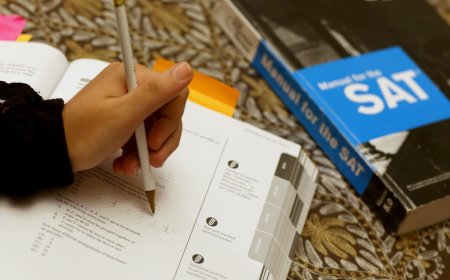






















Balancing Theory and Practice in the Classroom
Discover the importance of balancing theory and practice in education. Learn about key educational theories, effective teaching strategies, and challenges faced in bridging the gap between theoretical knowledge and real-world application."

Introduction
Balancing theory and practice in the classroom is a critical pedagogical challenge that involves integrating theoretical knowledge with practical application. This balance enhances student engagement, improves understanding, and prepares learners for real-world challenges. Various educational theories, such as behaviorism, constructivism, and transformative learning, have influenced teaching practices, leading to ongoing debates about the best methods for implementation.
Historical Context
Development of Educational Theories
The evolution of educational theories has significantly shaped classroom dynamics. Early thinkers like Plato laid the foundation for learning theories, later expanded by scholars such as B.F. Skinner, Jean Piaget, and Albert Bandura. These theories transitioned from behaviorism, which focuses on observable learning behaviors, to constructivism, which emphasizes the learner's active role in knowledge construction.

The Rise of Social Learning and Constructivist Theories
Social learning theory by Albert Bandura introduced the idea that learning occurs through observation and imitation. Meanwhile, constructivist approaches emphasized critical thinking and problem-solving, leading to instructional strategies that foster active engagement and experiential learning.
Impact of Transformative Learning Theory
Transformative learning focuses on critical reflection and dialogue, encouraging students to integrate new perspectives. This theory is particularly influential in adult education, emphasizing personal growth and critical thinking.
Theoretical Frameworks in Education
Definition and Purpose
A theoretical framework provides a structured foundation for understanding teaching practices. It connects research problems to established theories, ensuring a structured approach to analyzing educational methods.
Types of Theoretical Frameworks
Educational frameworks stem from various disciplines, including psychology, social sciences, and organizational theories. Constructivism, a widely used framework, includes cognitive, social, and radical constructivism, each highlighting different aspects of knowledge construction.
Implementing a Theoretical Framework
Educators and researchers should:
- Use credible sources to support their framework.
- Visualize relationships between concepts using diagrams.
- Adapt frameworks to suit specific research needs while avoiding overcomplication and lack of focus.
Practical Applications in the Classroom
Formative and Summative Assessments
Formative assessments provide continuous feedback, allowing teachers to adjust instructional methods. Summative assessments evaluate overall student performance, ensuring comprehensive learning measurement.
Digital Tools and Collaboration
Incorporating digital tools such as interactive assignments, gamified learning, and collaborative platforms enhances engagement and promotes the practical application of theoretical knowledge.
Project-Based Learning (PBL)
PBL allows students to apply theoretical concepts to real-world scenarios, fostering collaboration, critical thinking, and creativity.
Performance-Based Assessments
These assessments test students' ability to apply theoretical understanding by solving real-world problems, analyzing data, and creating solutions.
Teacher Professional Development
Ongoing training and workshops help educators integrate practical applications into their instruction, ensuring effective teaching strategies.
Encouraging Reflective Practices
Encouraging students to reflect on their learning experiences helps them connect theory with practice, enhancing comprehension and retention.
Challenges in Balancing Theory and Practice
Time Constraints
Limited instructional time makes it challenging to allocate equal focus to theory and practical applications. Effective planning is essential to maintain balance.
Pedagogical Approaches
Traditional teaching methods often prioritize theoretical knowledge, limiting opportunities for hands-on experiences. Diversifying instructional strategies is necessary for effective learning.
Diverse Learning Styles
Students have different learning preferences, requiring adaptive teaching methods to accommodate various needs while maintaining theoretical and practical balance.
Need for Professional Development
Many educators require additional training to integrate theory and practice effectively. Professional development initiatives can equip teachers with essential skills.
Relevance of Theoretical Knowledge
An overemphasis on hands-on learning can undermine the importance of theoretical foundations. Educators must ensure that students understand underlying principles while applying their knowledge practically.
Case Studies: Theory in Action
Benefits of Case Studies
Case studies help students connect theoretical knowledge with real-world applications, improving comprehension and engagement.
Challenges in Using Case Studies
Some case studies may not be representative of broader issues, requiring careful selection to ensure relevance and applicability.
Practical Examples of Case Studies
Examples such as urban planning projects and classroom management strategies illustrate how educational theories translate into real-world applications.
Future Directions in Education
Enhancing Constructivist Learning
Further research on constructivist approaches can improve student engagement and knowledge retention across diverse contexts.
Advancing Assessment and Evaluation Methods
Developing assessment strategies that promote self-reflection and knowledge ownership can enhance learning outcomes.
Role of Technology in Learning
Innovative digital tools can improve engagement and collaboration, requiring ongoing research to assess their effectiveness.
Bridging Theory and Practice
Encouraging educators to critically assess research findings and adapt them to classroom settings fosters innovation and improved teaching strategies.
Conclusion
Balancing theory and practice in the classroom is an ongoing process that requires thoughtful pedagogical strategies, effective assessment methods, and continuous professional development. By integrating theoretical knowledge with practical applications, educators can enhance student learning outcomes and better prepare learners for future challenges.
FAQs:
1. Why is balancing theory and practice important in education?
Balancing theory and practice ensures students understand concepts deeply while developing real-world problem-solving skills. It enhances engagement and better prepares learners for future challenges.
2. What are some effective strategies for integrating theory and practice in the classroom?
Strategies include project-based learning, formative assessments, the use of digital tools, collaborative learning, and reflective practices.
3. What are the challenges of balancing theory and practice in education?
Challenges include time constraints, diverse learning styles, traditional teaching approaches, lack of teacher training, and the difficulty of maintaining theoretical relevance.
4. Which educational theories support a balance between theory and practice?
Theories such as constructivism, behaviorism, transformative learning, and social learning theory emphasize experiential learning, active engagement, and critical thinking.
5. How can digital tools help bridge the gap between theory and practice?
Digital tools like multimedia resources, gamified learning platforms, and collaborative software enhance interactive learning, making theoretical concepts more relatable and applicable.